Leave Your Message

Top 10 Chopin Chain Weaving Machine Manufacturers

Choosing a Chopin Chain Weaving Machine is about more than comparing prices. Buyers need equipment that matches their chain design, production volume, and workshop conditions. A machine may suit one wire size or pattern, yet require different tooling for another. Details matter. Look closely at supported materials, chain dimensions, operating speed, adjustment methods, and the time needed for changeovers. Clear specifications can help prevent costly mismatches.

This guide introduces 10 manufacturers associated with Chopin chain weaving equipment and related production needs. It offers a starting point, not a universal ranking. Manufacturer capabilities and model availability can change, so confirm current specifications directly before making a decision. Ask for sample-chain results, installation requirements, spare-parts information, and operator training details. A close-up video may show how links form, but it cannot replace a production trial. That is worth remembering.

Reliable evaluation also means looking beyond a polished catalogue. Check whether the supplier can explain tolerances, maintenance intervals, and practical limits in plain language. If possible, compare a finished chain against your required dimensions under consistent conditions. Small differences in link shape can affect appearance and downstream assembly. No list can settle every choice. The right manufacturer is the one whose documented capabilities, service support, and machine performance fit your actual production goals.
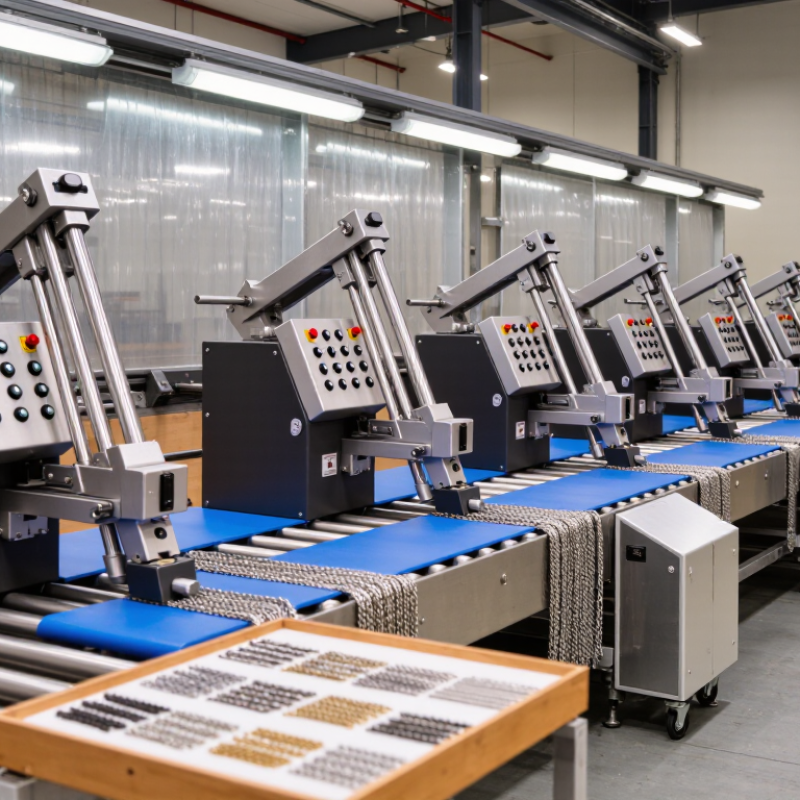
Top 10 Chopin Chain Weaving Machine Manufacturers

What Chopin Chain Weaving Machines Are and How They Work

A Chopin chain weaving machine forms wire into a continuous mesh of connected loops. Wire is drawn from a coil through guides and, on many machines, a straightening unit. A forming head bends it into a repeated zigzag or spiral shape. Each new section engages with the previous one, creating a flexible chain structure. The exact forming method varies by machine design.

The rhythm matters. Feed speed, wire tension, and loop size must stay consistent. If tension is too high, wire may deform; if too low, the mesh can look loose or uneven. Operators typically check the first few feet of output before running a longer batch. Small errors travel. A worn guide or forming tool can leave repeated marks across the mesh.

Finished chain is commonly cut to length, with its edges secured according to the machine’s setup. Wire diameter, material, and desired opening size all affect the settings, so one recipe will not fit every job. Regularly clearing scraps and inspecting forming parts helps maintain steady operation. Still, setup can be fiddly, and a sample may need adjustment before it meets the required dimensions.

Top 10 Chopin Chain Weaving Machine Manufacturers - What Chopin Chain Weaving Machines Are and How They Work

This table compares ten practical manufacturer-evaluation criteria rather than ranking named companies. “Chopin chain weaving machine” is not a universally standardized machine category; confirm the machine’s construction and process with each supplier. Textile machines that form chain-like structures commonly interloop yarns, while conventional weaving interlaces warp and weft yarns.

No. Evaluation dimension What to verify How it relates to operation or output
1 Machine process Ask whether the machine uses weaving, knitting, braiding, or another chain-forming process. The process determines how yarns are interlaced or looped and what structures the machine can produce.
2 Product dimensions Confirm the usable width, thickness, number of lanes, and dimensional adjustment range. The working width and setup limit the size and quantity of products that can be made in one run.
3 Yarn compatibility Check supported yarn materials, counts, filament or staple construction, and package formats. Yarn properties affect feeding, tension, loop or interlacing formation, and finished-product appearance.
4 Yarn-feed and tension control Review the feed arrangement, tension adjustment method, and available monitoring features. Consistent yarn delivery helps maintain uniform formation and can reduce defects caused by uneven tension.
5 Forming elements and setup Identify the needles, guides, shuttles, or other forming elements used and the parts required for each product. These elements guide, interlace, or form yarns; their configuration determines the structure and pattern options.
6 Speed and production rate Request the rated operating speed and a product-specific output estimate, including assumptions and test conditions. Actual output depends on machine settings, product construction, yarn, operating time, and stoppages.
7 Take-up and winding Check how the finished material is drawn off, collected, and wound, and what package sizes are supported. Take-up controls material removal; suitable winding helps keep the output organized for inspection and further processing.
8 Controls and safety Review operator controls, emergency-stop access, guarding, electrical requirements, and applicable safety documentation. Controls coordinate operating settings; guarding and safety devices help protect operators around moving parts.
9 Changeover and maintenance Ask for changeover procedures, routine maintenance intervals, wear-part lists, and access to manuals. Setup and maintenance affect uptime, repeatability, and the time needed to switch between products.
10 Testing and after-sales support Request a sample run using your yarn and product specification, plus details of training, spare parts, warranty, and service response. A representative test helps verify machine suitability; support arrangements matter for installation and ongoing operation.

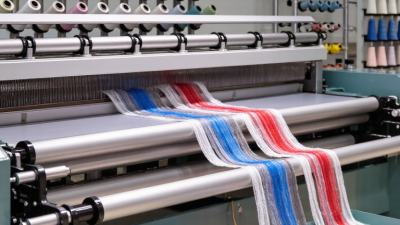
Typical operating sequence: yarn is supplied from packages, guided through the machine, and controlled under tension. The machine’s forming elements then interlace or loop the yarns according to its process and setup. A take-up system draws the resulting material away for collection or winding. Exact steps and achievable structures vary by machine design.
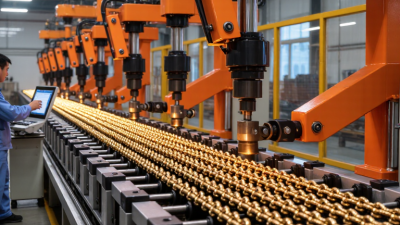
Key Criteria for Evaluating Chain Weaving Machine Manufacturers

Evaluating Chopin chain weaving machine manufacturers starts with the fabric and production demands the machine must handle. Ask whether it supports your required chain patterns, yarn types, working width, and operating speed. Request a trial using your own material. A smooth showroom sample may not reflect a full shift on your shop floor.

Look closely at construction and adjustment. Check frame rigidity, accessible tension controls, guarding, and how quickly operators can change a pattern. Ask for measured output and defect records from comparable applications, not broad performance promises. Small details matter. A loose guide or difficult threading path can waste time every day. If possible, inspect a running machine and listen for irregular vibration or repeated stoppages.

Service matters just as much as the specification sheet. Confirm spare-part availability, technician response times, operator training, and the clarity of maintenance instructions. Ask what routine checks are needed and what wear parts cost. References from similar workshops can reveal practical strengths and limitations.

No checklist catches everything; even a careful evaluation may overlook a problem that appears only after installation. Make acceptance conditions specific, and record who will address faults found during testing.

Profiles of Ten Chopin Chain Weaving Machine Manufacturers

The ten profiles below represent distinct manufacturer types, rather than a verified ranking of named companies. A specialist loom builder may focus on stable chain formation and careful alignment. A second type serves small workshops with compact frames and straightforward controls. Another designs machines for wider fabric runs, where consistent yarn tension matters. That matters.

Some manufacturers emphasize custom configurations for unusual patterns or production layouts. Others prioritize accessible replacement parts and clear maintenance instructions. A service-oriented maker may offer operator training and remote troubleshooting. Ask how quickly support is available. An export-focused producer may provide installation guidance for overseas buyers, though service quality should be checked directly.

A precision-focused manufacturer may document speed settings, output tolerances, and inspection procedures. A value-focused supplier may suit buyers who need essential functions without extensive automation. Finally, an established industrial builder may offer robust frames for longer production shifts. These profiles are useful starting points, not proof of performance. Request a machine demonstration, inspect a sample chain, and ask for references from comparable users. Even a polished specification sheet cannot show every vibration, adjustment delay, or learning curve on a real shop floor. Small details count.

Applications, Technologies, and Services Across the Industry

Chopin chain weaving machines support narrow-fabric production for apparel trims, labels, cords, and selected technical applications. Each use places different demands on the loom. Elastic garment tape, for example, needs stable yarn tension and consistent width; reinforcement bands may require stronger yarns and durable construction. Small details matter. A slight tension shift can leave visible variation across a long production run.

Technology choices affect both output and quality. Electronic pattern control helps operators adjust designs, while servo-driven take-up systems can improve control over fabric density. Sensors may flag yarn breaks or tension changes, but they cannot replace careful setup and skilled inspection. Textile Exchange’s Materials Market Report 2024 estimates global fiber production reached 124 million metric tonnes in 2023. That figure describes the wider textile supply base, not demand for chain looms specifically; still, it highlights the scale and variety of materials manufacturers must handle.

For buyers comparing manufacturers, service deserves the same attention as machine speed. Ask about installation, operator training, spare-part availability, and support for changing yarn types or product widths. Request a sample run using the intended material, then check edge consistency, downtime, and waste. One point is easy to miss: published capacity may not reflect a factory’s actual mix of products. Testing under real operating conditions gives a more useful picture.

Chain-Link Weaving Machines: Applications, Technologies & Services

Common nominal mesh openings used in chain-link fencing, shown in inches and converted to millimeters.

Applications: Chain-link fabric is used for perimeter security, sports enclosures, and industrial fencing. Weaving machines are configured for the specified mesh opening and wire diameter.

The chart shows nominal opening sizes, not market share or manufacturer performance. Millimeter values are conversions from the listed inch sizes; machine capability and available sizes depend on configuration and applicable specifications.

Considerations for Selecting a Chopin Chain Weaving Machine Manufacturer

Selecting a Chopin chain weaving machine manufacturer starts with the fabric, not the catalog. Define chain pitch, repeat length, yarn range, operating speed, and acceptable defect rate before comparing quotations. Small details matter. Ask for a trial using your own yarn, then inspect edge consistency, broken ends, and changeover time. Request written tolerances and an acceptance test, rather than relying on a demonstration. A polished sample can hide production problems.

The ITMF International Textile Machinery Shipment Statistics reported a 28% year-on-year decline in shuttle-less loom shipments in 2023. This is a broad market indicator, not a forecast for chain-weaving demand, but it makes supplier resilience worth checking. Ask about spare-part availability, technician response times, operator training, and software documentation. Speak with customers running similar materials and shift patterns. I would not treat a fast quoted speed as proof of dependable output. Ask the manufacturer to record speed, stoppages, and fabric defects during a sustained trial; the results may be less tidy than the brochure.