Leave Your Message

Top 10 Box Chain Making Machine Types for Global Buyers

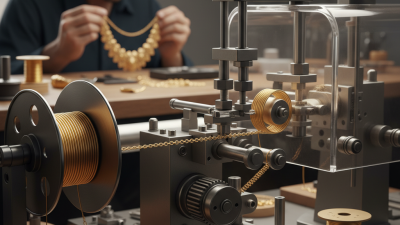
Choosing the right Box Chain Making Machine can shape production quality, operating costs, and delivery reliability. Global buyers face many options, from compact workshop models to automated industrial systems. Each machine handles wire differently. Small changes matter.

Dr. Luca Ferri, a jewelry-chain manufacturing engineer, says, “A productive machine is not always the fastest; it is the one that keeps every link consistent.” This practical view deserves attention. A machine running at high speed may still waste material through uneven tension, rough forming, or frequent stoppages. Those details become expensive across thousands of meters.

This guide examines the Top 10 Box Chain Making Machine Types for Global Buyers. It compares forming methods, compatible metals, output capacity, control systems, and maintenance demands. Buyers can inspect servo drives, die quality, lubrication access, and operator protection more clearly. Some machines suit gold and silver wire. Others handle copper, stainless steel, or mixed production needs.

Look closely at real factory conditions. A narrow workshop may need a quieter, compact unit. A larger plant may require automatic feeding and digital monitoring. Energy use also deserves attention. It is easy to overlook.

No machine is perfect. Supplier claims can sound impressive, yet samples may reveal weak corners or inconsistent link spacing. Reliable decisions require test runs, technical documentation, spare-parts support, and clear warranty terms. This introduction sets a practical direction for comparing equipment with less guesswork and more confidence.
Top 10 Box Chain Making Machine Types for Global Buyers

Box Chain Making Machine Basics and Key Classification Criteria

Top 10 Box Chain Making Machine Types for Global Buyers

Box chain making machines form linked metal sections through controlled feeding, bending, joining, and sizing. Their output should show even edges, consistent links, and stable tension. In production, small alignment errors can create visible gaps or weak connections. Details matter.

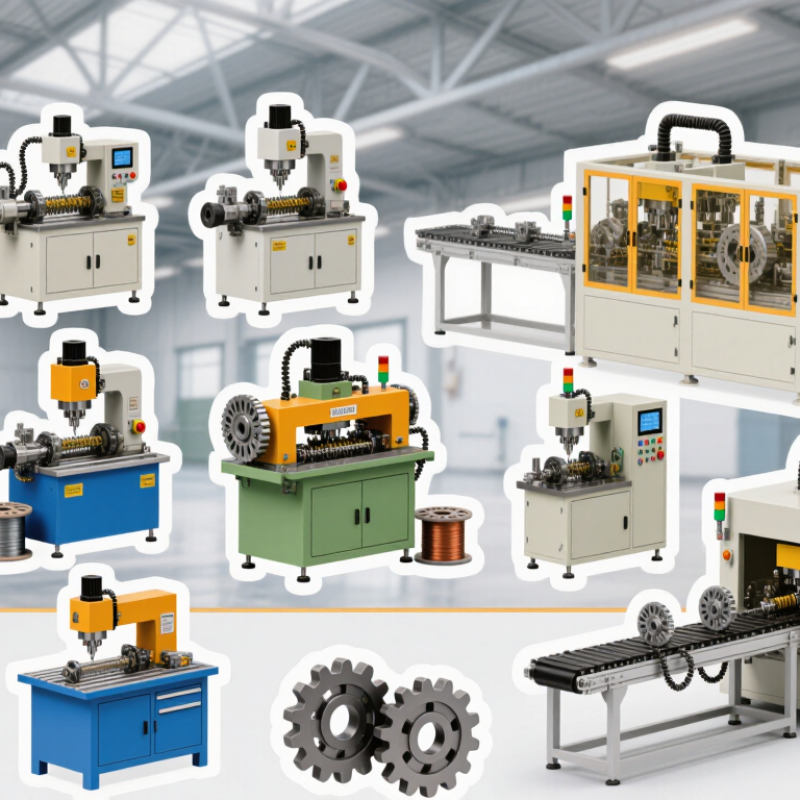
Buyers commonly compare ten machine types: manual, semi-automatic, fully automatic, CNC-controlled, servo-driven, high-speed, single-wire, multi-wire, strip-feed, and modular machines. This classification is practical, but not absolute. Some equipment combines several categories. Automation describes labor requirements, while CNC and servo systems describe control precision. Single-wire models suit flexible production. Multi-wire models increase output but demand stricter calibration. Strip-feed machines work with prepared metal strips and require accurate thickness control.

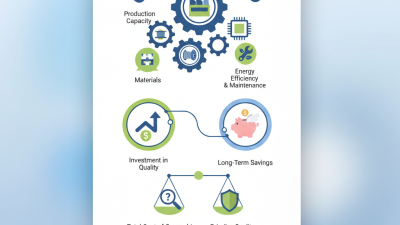
Material compatibility is another key criterion. Check the acceptable wire diameter, strip width, hardness range, and surface finish before purchasing. Production capacity should include realistic downtime, not only the advertised maximum speed. Ask for sample-chain testing using your actual material. Measure twice. Review link dimensions, rejection rates, tool-change time, and operator training needs. A machine may appear efficient but perform poorly with frequent size changes. Energy use, spare-part access, guarding, and maintenance instructions also affect long-term reliability. Request documented test results and clear technical support terms. Even experienced buyers can overlook calibration time. That mistake becomes expensive during large orders.
Top 10 Box Chain Making Machine Types for Global Buyers

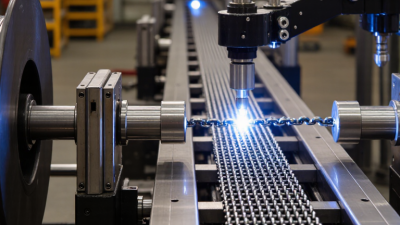
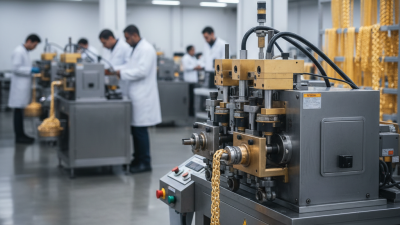
Box chain machines are commonly classified by chain size, construction, forming method, and automation level. The chart shows representative wire-diameter ranges commonly used in jewelry-chain production; actual capabilities vary by machine configuration, tooling, and material.

Top 10 Box Chain Making Machine Types by Production Method

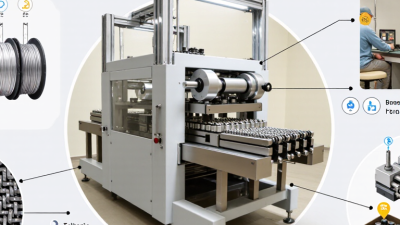
Box chain making machines differ mainly in how they form, align, close, and finish each link. Manual link-forming machines suit small workshops and custom orders. Operators guide wire through forming blocks and inspect every square link. Semi-automatic machines add powered feeding and cutting, while workers still manage alignment. Fully automatic machines combine feeding, forming, closing, and collection in one cycle. They improve output, but setup errors can multiply quickly.

Cam-driven machines use mechanical profiles for repeatable link movements. Servo-controlled machines adjust force, speed, and timing through programmable motors. CNC box chain machines offer precise digital control for changing wire sizes and link dimensions. Rotary multi-station machines move wire through several forming positions around a rotating table. This layout saves floor space and supports steady production. Progressive-die machines shape wire through sequential tooling stages. They work best when dimensions remain stable for long runs.

Weld-integrated machines close links during the forming cycle, reducing separate handling. Modular production cells separate feeding, forming, welding, polishing, and inspection into connected units. Buyers should compare wire range, cycle speed, changeover time, and operator access. Check samples under magnification. A polished surface can hide weak closures. Experienced technicians also measure link width, corner squareness, and tensile performance after production. No method is perfect. High automation may reduce labor, yet it can make troubleshooting harder. A practical factory should choose repeatable quality over impressive speed alone.

Machine Features, Materials, and Chain Size Compatibility

Top 10 Box Chain Making Machine Types for Global Buyers

Global buyers can choose from ten common machine types: single-head, double-head, automatic, servo-driven, hydraulic, pneumatic, CNC, high-speed, modular, and custom-format models. Each type suits different production demands.

In my experience, servo-driven machines offer precise link forming and stable speed control. Pneumatic systems respond quickly, but they may require cleaner, drier air. Hydraulic models handle heavier wire well, although maintenance can be more demanding.

Material compatibility deserves close attention. Stainless steel needs strong forming dies and corrosion-resistant contact parts. Brass forms more easily, but it can mark under excessive pressure. Carbon steel supports efficient production, yet surface protection becomes important after forming. Some machines accept coated wire, but coating thickness can affect feeding accuracy. Check the feeder, mandrel, cutting tool, and guide design together. One part rarely tells the whole story.

Chain Size Compatibility and Quality Checks

Chain size compatibility depends on wire diameter, link pitch, inner width, and finished chain height. A machine designed for 1.5 mm wire may not produce reliable 3 mm links.

Ask for trial samples using your actual material and target dimensions. Inspect ten consecutive links, not only one attractive sample. Measure pitch variation, joint alignment, and surface scratches. I would not trust a wide size claim without tooling details.

Real production is less perfect than a brochure suggests. Temperature, operator adjustment, and material batches can change results.

Keep spare dies available, because small wear can create large inconsistencies.

Automation Levels, Output Capacity, and Quality Control

Top 10 Box Chain Making Machine Types for Global Buyers

Automation Levels, Output Capacity, and Quality Control

Global buyers can compare ten practical machine types: manual, semi-automatic, fully automatic, CNC, high-speed, wire-forming, link-closing, soldering, polishing, and vision-inspection systems. Each stage affects labor, speed, and defect control. Semi-automatic equipment suits mixed orders and frequent pattern changes. Fully automatic lines reduce handling errors but require better tooling discipline. Output commonly ranges from dozens to several hundred links per minute. Wire diameter, chain size, and joint design change the real figure.

The International Federation of Robotics reported 541,302 industrial robot installations worldwide in 2023. This supports wider automation, but robotics alone cannot guarantee a clean box-chain finish. Buyers should request tested output, not catalog speed. Check link dimensions, joint closure, surface scratches, and wire waste from a production sample. Vision systems can detect missing links and inconsistent spacing. In-line gauges can monitor wire diameter and forming pressure. Small details matter.

Quality control should follow documented sampling, calibration, and traceability procedures. ISO 2859-1 offers a recognized framework for acceptance sampling, while ISO 9001 supports repeatable process control. Operators should record stoppages, rejected links, tooling changes, and maintenance intervals. Experienced teams know that higher speed may increase deformation and heat marks. That trade-off is easy to underestimate. A lower-speed line can sometimes deliver better saleable output. Buyers should also review noise, energy use, spare-tool availability, and operator training before choosing among the ten types.

Top 10 Box Chain Making Machine Types for Global Buyers - Automation Levels, Output Capacity, and Quality Control

No. Machine Type Typical Application Suitable Materials Automation Level Indicative Output Capacity Typical Wire or Chain Size Quality-Control Features Key Buyer Considerations
1 Manual Box Chain Forming Machine Small workshops, sampling, repair work, and low-volume custom production. Gold, silver, copper, brass, and other ductile precious-metal alloys. Manual Approx. 0.2–0.6 m/min Fine to medium wire; commonly used for small and medium chain sections. Operator visual inspection, manual pitch measurement, caliper checks, and pull testing. Low initial investment and flexible setup, but output consistency depends strongly on operator skill.
2 Semi-Automatic Box Chain Machine Small and medium production runs requiring better repeatability than manual equipment. Gold, silver, copper, brass, and plated base metals. Semi-automatic Approx. 0.5–1.2 m/min Fine to medium wire with adjustable forming and feeding settings. Mechanical pitch adjustment, wire-tension control, sample-length inspection, and operator monitoring. Good balance between investment, changeover flexibility, and production stability.
3 Fully Automatic Box Chain Making Machine Continuous production of standard box chains for jewelry and accessory manufacturing. Precious metals, copper alloys, brass, and selected stainless-steel grades. Fully automatic Approx. 1.0–2.5 m/min Fine to medium wire, depending on chain width, cross-section, and material hardness. Automatic wire feeding, tension monitoring, overload protection, length counting, and stop alarms. Suitable for regular production where stable dimensions and lower labor content are priorities.
4 CNC-Controlled Box Chain Machine Multi-size production, repeat orders, and applications requiring digitally stored recipes. Gold, silver, platinum alloys, copper alloys, and stainless steel within machine specifications. High automation Approx. 1.0–3.0 m/min Fine, medium, and selected heavier wire sizes with programmable forming parameters. Servo positioning, recipe control, digital speed adjustment, alarm history, and repeatability checks. Useful for quick product changes and consistent settings across different production batches.
5 High-Speed Box Chain Production Machine High-volume manufacturing of standard-size chains with long, uninterrupted production cycles. Commonly used with gold, silver, copper, brass, and other stable wire materials. Fully automatic Approx. 2.0–4.0 m/min Usually optimized for a limited range of fine or medium chain dimensions. Electronic speed regulation, automatic lubrication, vibration monitoring, tension control, and fault shutdown. Provides high throughput, but normally requires more precise tooling, maintenance, and material preparation.
6 Fine-Gauge Micro Box Chain Machine Delicate necklaces, bracelets, pendants, watch accessories, and lightweight jewelry. Fine gold, silver, platinum alloys, copper, and other low-diameter wire materials. Semi-automatic to fully automatic Approx. 0.5–2.0 m/min Very fine wire and small link dimensions; exact limits depend on tooling and material ductility. Fine-wire tension control, microscope inspection, optical dimensional checks, and breakage detection. Requires clean wire, accurate tooling, low vibration, and careful control of feeding tension.
7 Heavy-Duty Box Chain Machine Thicker necklaces, bracelets, decorative accessories, and applications requiring higher mechanical strength. Stainless steel, brass, copper alloys, silver, and other medium-to-hard wire materials. Semi-automatic to fully automatic Approx. 0.3–1.5 m/min Medium to heavy wire and larger chain cross-sections. High-torque drive, overload protection, dimensional gauges, tensile testing, and weld or joint inspection where applicable. Lower linear speed is normal because larger wire requires greater forming force and more robust tooling.
8 Box Chain Welding or Closing Machine Closing, joining, or securing chain joints after forming and cutting operations. Gold, silver, platinum alloys, copper alloys, brass, and suitable stainless steel. Semi-automatic to fully automatic Approx. 20–80 joints/min Matched to the chain diameter, joint geometry, and welding or closing method. Current or energy monitoring, electrode-position control, joint pull tests, visual inspection, and reject separation. Should be selected according to joint design, heat sensitivity, surface-finish requirements, and downstream polishing.
9 Box Chain Cutting and Length-Control Machine Cutting continuous chain into saleable lengths for bracelets, necklaces, and component assemblies. Precious-metal chains, copper-alloy chains, brass chains, and stainless-steel chains. Automatic Approx. 10–40 cuts/min Compatible with a defined chain width and link geometry set by the feed and cutting tooling. Encoder-based length measurement, programmable cut length, end-position sensors, and batch counting. Best used when finished lengths must be consistent and material waste must be minimized.
10 Integrated Box Chain Production Line Higher-volume facilities combining wire feeding, chain forming, joining, cutting, inspection, and collection. Gold, silver, platinum alloys, copper alloys, brass, and selected stainless-steel materials. High automation Approx. 1.0–3.5 m/min forming speed Configured for a defined product family; modular tooling may support multiple sizes. Inline camera inspection, automatic length measurement, tension monitoring, process alarms, traceability records, and reject handling. Reduces manual handling and improves batch consistency, but requires higher investment, layout planning, and technical support.
Data note: Output figures are indicative industry ranges rather than guaranteed specifications. Actual capacity depends on wire diameter, material hardness, chain dimensions, tooling design, machine speed, operator settings, maintenance condition, and required quality standards.

Global Buyer Guide: Applications, Standards, and Supplier Selection

Top 10 Box Chain Making Machine Types for Global Buyers

Box chain production may require several machine types, depending on wire size, link geometry, and daily output. Common options include wire drawing, straightening, feeding, forming, welding, soldering, cutting, polishing, inspection, and fully automatic box chain machines. Some lines focus on fine jewelry chains, while others handle stronger decorative or industrial links. Confirm the application before comparing speed.

Global buyers should request samples made with their actual wire material. Inspect link alignment, surface marks, weld consistency, and pitch under magnification. Measure output over several hours, not only during a short demonstration. Small details matter.

Ask whether the machine supports metric and imperial settings, changeover tooling, guarding, and emergency-stop functions. Safety documentation should match the destination market, including relevant machinery, electrical, EMC, and chemical requirements. CE marking may be necessary in some markets, but it is not universal approval.

Supplier evaluation should include factory experience, operator training, spare-parts availability, installation support, and documented performance data. Ask for noise levels, power consumption, maintenance intervals, and warranty limits in writing. A capable supplier should explain tolerance changes clearly.

Test before ordering. A polished brochure is not proof of stable production. Buyers sometimes focus too heavily on maximum speed and overlook tooling wear, rejected links, or service response time. That mistake can become expensive after installation. Review the contract carefully, especially acceptance criteria and technical drawings.