How to Choose the Best Box Chain Coupling Machine?
Choosing a Box Chain Coupling Machine is not just a matter of comparing speed or price. The machine must match the chain’s dimensions, material, joining method, and required output. A mismatch can cause weak joints, uneven links, or avoidable downtime. Small details matter.
The International Energy Agency’s Energy-Efficiency Policy Opportunities for Electric Motor-Driven Systems (2011) estimates that motor-driven systems use about 45% of global electricity. The U.S. Department of Energy’s Improving Motor and Drive System Performance: A Sourcebook for Industry reports that such systems account for roughly 64% of U.S. industrial electricity use. These figures describe motor systems broadly, not coupling machines alone. Still, they show why motor efficiency, load matching, and operating hours deserve attention during equipment selection.
Start with measurable requirements: chain pitch and wire size, target production rate, joint consistency, changeover frequency, and available floor space. Then ask suppliers for samples made with your actual materials, cycle-time records, maintenance intervals, and clear warranty terms. Check guarding, operator access, spare-part availability, and the time needed to adjust tooling. Fit matters more. A fast machine may be a poor choice if setup takes too long or quality varies across a shift. I would also treat sales claims cautiously; a specification sheet cannot replace a production trial. The best Box Chain Coupling Machine is the one that meets verified quality and output targets reliably, without imposing operating costs your team did not plan for.
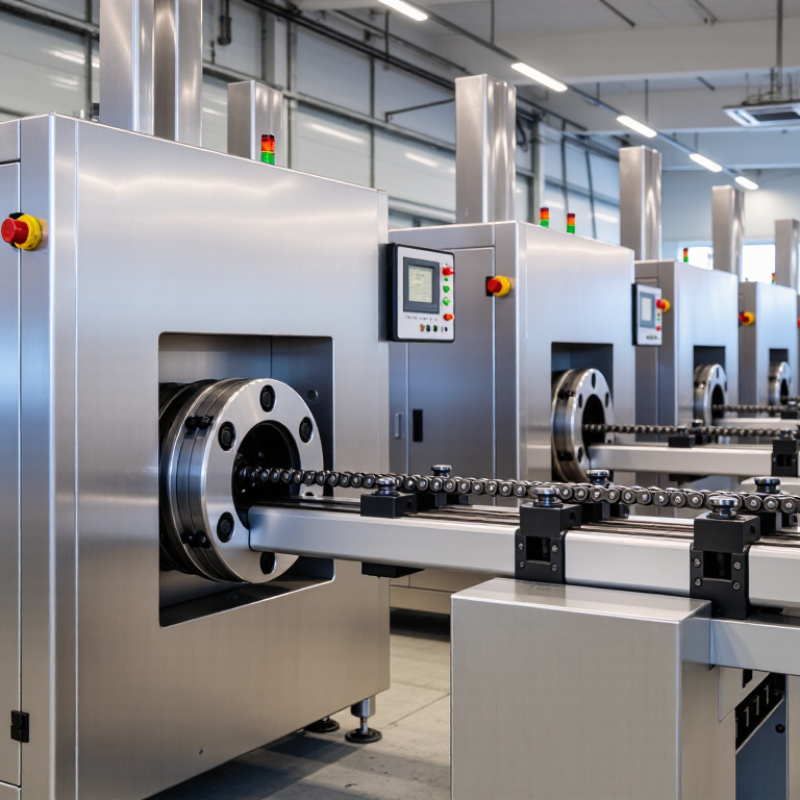
Understanding Box Chain Coupling Machines and Their Applications
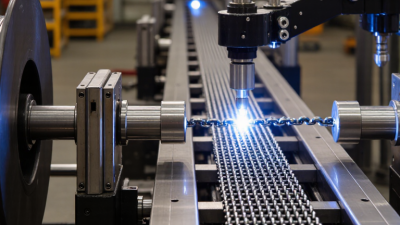
A box chain coupling machine forms and joins small metal links into a compact, square-profile chain. Depending on its design, it may feed wire, shape each link, connect the links, and control spacing. The result is a chain with a neat surface and a flexible feel. Small details matter. Uneven links can catch light differently or make the finished chain twist. Operators should check link shape and connection quality during production, not only at the end.
These machines are used to make chains for necklaces, bracelets, and other decorative accessories. The right setup depends on the metal, wire size, chain dimensions, and expected output. A workshop producing fine chains may need precise adjustments and steady feeding more than high speed. For larger runs, consistent forming and easy access to wear parts can reduce interruptions. Ask for a trial using the intended wire. Test real wire. A sample run can reveal rough edges, weak joins, or frequent adjustments that a specification sheet may not show. No machine is perfect; even a capable unit can need careful tuning as material batches vary. Consider who will operate and maintain it, too. A complicated control system may slow a small team until training catches up.
Defining Production Requirements and Coupling Specifications
Before comparing machines, define the production target in measurable terms.
Record the required couplings per hour, daily operating hours, and expected product mix. Include peak demand, not just the average. A line planned around a steady 500 units per shift may struggle when orders require several sizes in the same shift.
Small details matter.
Then document the coupling specifications.
Note chain pitch, link dimensions, wire or material thickness, and any required strength or finish. Set acceptable tolerances for joint alignment and overall length. If specifications vary between product versions, list each version separately.
“Standard size” is not precise enough for a reliable machine quote.
Consider feeding, changeover, and inspection needs alongside output. For example, frequent changes between two link widths may make quick-adjust guides more useful than a higher headline speed. Ask how operators confirm alignment and detect incomplete joints during a run. In production planning, a common miss is treating sample parts as representative of every batch. Measure parts from several batches, then confirm the machine setup with a practical trial.
Measure twice.
The figures may still need revision after the first run, and that is useful information, not a failure.
Comparing Machine Types, Capacity, and Key Features
How to Choose the Best Box Chain Coupling Machine?
Comparing Machine Types, Capacity, and Key Features
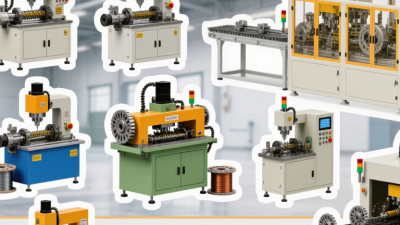
Manual and semi-automatic machines can suit short runs and frequent product changes. Fully automatic models are more appropriate for repetitive, higher-volume production. Match the machine to your chain’s pitch, wire diameter, link shape, and required coupling force. A high-speed unit is not useful if it deforms links. Fit matters more.
Compare rated output with your actual shift demand. Ask whether the quoted rate assumes ideal feeding and no interruptions. Request a trial using your material, and record changeover time, rejects, and jams. Check tooling access, repeatable settings, guarding, and maintenance requirements. The International Federation of Robotics’ World Robotics 2024 report counted 4,281,585 industrial robots operating worldwide in 2023. This shows wider industrial automation growth, not a box-chain production benchmark. A machine trial is still essential.
Tips: Bring sample chain and coupling parts for a timed test. Check finished-link consistency, not just cycles per minute. Leave some capacity headroom, but avoid paying for speed your production line cannot feed. I’d also confirm service response in writing; that detail is easy to overlook.
How to Choose the Best Box Chain Coupling Machine?
Compare machine types by indicative production capacity. These planning ranges are illustrative, not guaranteed specifications; actual output depends on coupling size, material, setup time, and operator experience.
Selection tip: Manual machines can suit low-volume work and frequent changeovers. Semi-automatic machines balance output and flexibility, while automatic or CNC-based systems are worth evaluating for steady, higher-volume production. Confirm rated capacity and changeover requirements with machine suppliers.
Evaluating Safety, Maintenance, and Supplier Support
A box chain coupling machine should be judged by how safely it handles real production, not just its rated speed.
Inspect guarding around chain drives, pinch points, and feed zones. Check that emergency stops are reachable and that the machine can be isolated before cleaning or adjustments. The U.S. Bureau of Labor Statistics recorded 5,283 fatal work injuries in 2023, across all U.S. industries. That figure is not specific to coupling machines, but it underlines why safeguards deserve close review.
Maintenance affects both uptime and operator exposure.
Ask for a clear lubrication schedule, wear limits, inspection points, and a list of recommended spare parts. The U.S. Department of Energy’s Operations & Maintenance Best Practices guide reports that predictive maintenance can save 8–12% compared with preventive maintenance programs. Treat this as a benchmark, not a promise: actual savings depend on operating conditions and maintenance quality. Small details matter. A hard-to-reach grease point can turn a simple task into a skipped one.
Supplier support is part of the machine’s operating cost.
Confirm who provides installation, operator training, troubleshooting, and replacement parts, and ask for typical response times in writing. Request sample maintenance instructions and verify that diagrams match the delivered configuration. A polished manual is helpful, but it cannot replace competent support. I would also check how the supplier handles uncommon faults; this is easy to overlook during a smooth demonstration.




 Lily
 Jason wong