Best Cable Chain Coupling Machine Manufacturer in China?
Choosing the best Cable Chain Coupling Machine manufacturer in China requires more than comparing prices or polished product photos. Buyers should examine machine capacity, component quality, production consistency, and the support available after installation. Details matter. A well-built machine should handle the intended materials and operating speed without frequent adjustments. Ask how the manufacturer checks alignment, feeding accuracy, and finished coupling dimensions. These practical checks can reveal more than broad claims about performance.
This guide explains how to compare Chinese manufacturers using verifiable information. It considers factory experience, customization options, quality-control procedures, delivery terms, and technical assistance. Request sample videos, inspection records, and clear specifications for the machine you plan to buy. If possible, discuss your chain design and production targets with an engineer before requesting a quotation. That takes evidence. A supplier’s website can be a useful starting point, but it cannot confirm every detail of daily production. Verify claims directly, and compare answers across more than one company. Even careful checks have limits; a machine’s real performance depends on its setup, materials, and maintenance. This guide aims to help buyers ask better questions, identify credible manufacturers, and make a more informed decision.
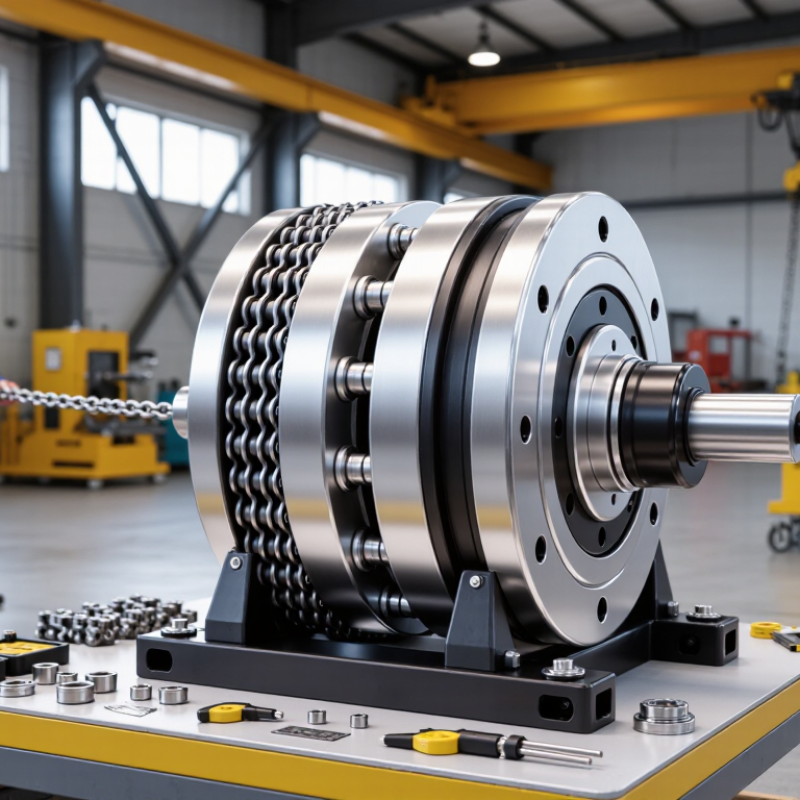
What Is a Cable Chain Coupling Machine?
A cable chain coupling machine is equipment used to join cable carrier chain sections or connect chain components with matching couplers. The chain guides moving cables and hoses while helping prevent tangling, abrasion, and sharp bends. The coupling machine supports accurate assembly; it does not replace the chain’s job of protecting cables.
A typical setup positions chain ends in a fixture, aligns coupling parts, then presses or locks them together. Some machines use adjustable guides or pressure settings for different chain sizes. Details vary. Check the supported pitch, width, coupling style, and adjustment range before choosing equipment.
A practical test is to assemble sample links and inspect the joint for gaps, looseness, or restricted movement. Small misalignment matters.
The name can be confusing, and not every supplier uses it in exactly the same way. Ask for clear process details, tooling specifications, and sample results. Even a well-built machine may need careful setup; that part is easy to underestimate.
How Does the Machine Form and Join Cable Chain Links?
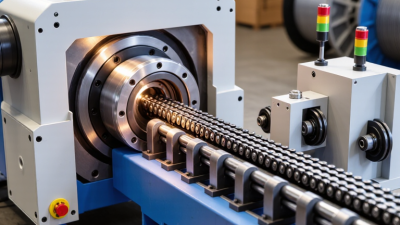
A cable-chain coupling machine usually begins with wire from a coil. Feed rollers straighten it, and a servo feeder meters each cut length. A forming mandrel bends the wire into an open loop. The machine threads that loop through the previous link, then closes the ends. Depending on the design, a joint may be welded or mechanically locked. That detail matters.
The International Federation of Robotics’ World Robotics 2024 report counted 4,281,585 industrial robots operating in factories worldwide in 2023. This is useful automation context, not proof that every chain machine needs a robot. Grand View Research estimated the global wire and cable market at USD 202.5 billion in 2023. That figure describes the broader cable sector, not cable-chain equipment demand. Keep that distinction clear.
A buyer should watch a production run, not just inspect a brochure. Check link pitch, loop shape, joint consistency, feed stability, and scrap rate using the intended wire. Ask for measured output and joint-strength results on sample material. Small setup errors can create uneven links. And a polished sample may hide real production variation. That assumption needs checking. The best evaluation includes sustained running, changeover time, and inspection of links from different points in the batch.
What Features Define a Reliable Machine Manufacturer?
A reliable cable chain coupling machine manufacturer proves capability on the part, not just in a catalogue. Ask for a trial using your chain pitch, coupling material, and target cycle time. Watch the feed rails, alignment pins, and finished joints; small variations can cause jams after hours of production. Request repeatability data from a sustained run, along with changeover time and reject rate. A stated tolerance without test conditions tells little. Ask how operators adjust tension and what happens when a sensor misses a link. No brochure answers everything.
Manufacturing context matters. The International Federation of Robotics’ World Robotics 2024 report recorded 541,302 industrial robot installations worldwide in 2023, reflecting the scale of factory automation and the importance of consistent integration. Deloitte’s 2024 Smart Manufacturing Survey found that 92% of manufacturers saw smart manufacturing as a key competitiveness driver over the next three years. These figures do not certify any machine; they make controls, data access, and service response practical buying questions. Check for electrical schematics, spare-part lead times, remote diagnostics, and a documented factory acceptance test. Send three sample lots, not one. Even careful suppliers can miss an awkward setup detail; note the gap and see how clearly they correct it.
How to Compare Cable Chain Coupling Machine Manufacturers in China?
Best Cable Chain Coupling Machine Manufacturer in China?
How to Compare Cable Chain Coupling Machine Manufacturers in China?
Comparing manufacturers starts with the machine’s intended workload. Share your cable chain dimensions, coupling type, target output, and expected shift length. Ask whether the machine can handle your actual parts, not just a standard demonstration sample. Ask for evidence. Review cycle time, alignment accuracy, and adjustment steps. A clear setup process can matter as much as headline speed when operators change product sizes.
Inspect the build and test process closely. Check frame rigidity, fixture access, guarding, and the finish around moving components. During a sample run, watch how consistently the machine positions and joins the parts. Listen for unusual vibration. Run a real sample. Request recorded results, maintenance intervals, spare-parts lists, and operating instructions in a language your team can use. A polished brochure is not proof; specific, repeatable test data is more useful.
Compare technical support before comparing quotations. Ask who handles installation, operator training, troubleshooting, and replacement components, and how response times are managed. Clarify what the price includes, such as tooling, commissioning, and acceptance testing. If possible, speak with a customer using a similar setup. One imperfect point deserves attention: a brief factory demonstration cannot predict every production issue. Keep a few questions open, and assess the supplier’s answers against your own sample and operating conditions.
How to Verify a Manufacturer Before Purchasing?
Before choosing a cable chain coupling machine manufacturer, verify that its equipment matches your chain dimensions, target output, and operating conditions. Ask for drawings that show key tolerances, materials, and adjustment points. A technically sound supplier should explain how the machine handles chain feeding, forming, and inspection—not just share a glossy product sheet. Looks can mislead.
Request a live demonstration using a sample close to your own production material. Watch for uneven links, jams, excessive vibration, and how quickly an operator can make adjustments. Ask for the test settings and measured output, then compare them with your requirements. Check whether the manufacturer can provide installation guidance, spare-part lists, maintenance intervals, and clear warranty terms. Speak with comparable customers, if possible, and ask what needed attention after delivery. A factory visit can help, but it is not proof by itself; I would still verify claims against written records.
Tips: Confirm the machine’s capacity in writing. Ask to inspect a finished sample under normal lighting. Check response times for technical questions. Keep your notes; small details are easy to forget.
How to Verify a Cable Chain Coupling Machine Manufacturer
Sample buyer-side evidence checklist. Scores are illustrative only—not ratings or claims about any manufacturer. Score each item from 0 (not verified) to 5 (independently verified and satisfactory).
Request current product specifications, relevant test reports, quality-system documentation, and references for comparable projects. Confirm documents with their issuers where possible, and verify that the proposed machine meets your cable chain’s dimensions and operating requirements before ordering.






 Lily
 Jason wong