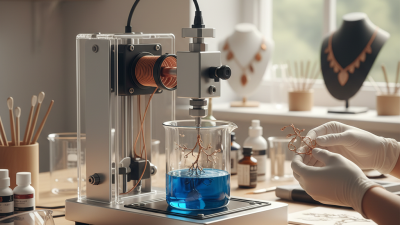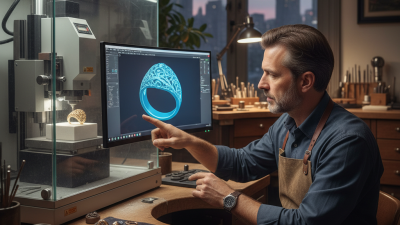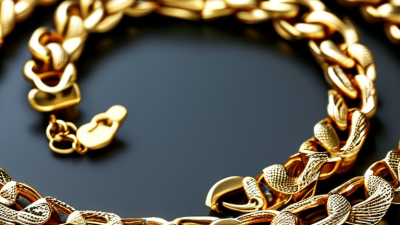
Choosing an Automatic Jewelry Making Machine is a practical decision about consistency, capacity, and control—not simply a move toward faster production. For a workshop producing repeat designs, automation can help maintain dimensions across batches and reduce routine handwork. A small gold band, for example, may need the same profile and finish in every piece. The right machine can make that repeatability easier to manage.
Manufacturing expert Taiichi Ohno is widely credited with the reminder, “Without standards, there can be no improvement.” The principle applies here: a machine works best when designs, materials, and quality checks are clearly defined. Buyers should compare machine capabilities with their actual production needs, including material compatibility, setup time, operator training, maintenance, and available technical support. A polished demonstration is useful, but it cannot replace a test using the workshop’s own designs.
Automation is not effortless. It may reduce repetitive tasks, yet setup errors or poor maintenance can still waste material and time. I would be cautious about treating higher output as guaranteed profit; that assumption deserves a closer look. For some studios, a manual workflow remains the better fit. This introduction explores where an Automatic Jewelry Making Machine can add value, what limitations to examine, and how to judge whether the investment suits a real jewelry business.
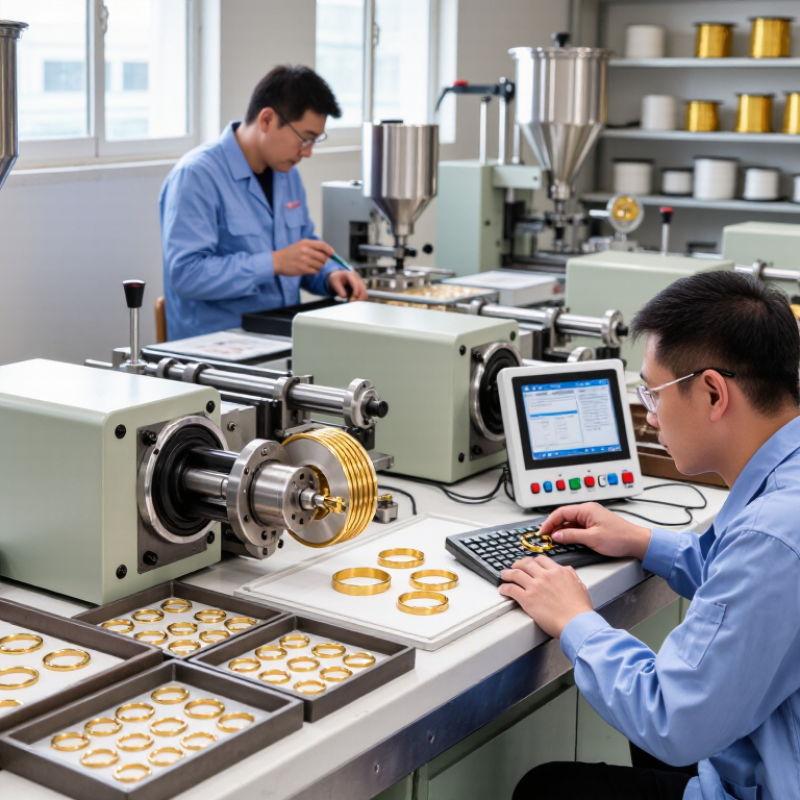
An automatic jewelry making machine is equipment that performs defined production steps with limited manual handling. It may cut a ring blank, form wire, engrave a surface, or weld a tiny joint. Some systems follow computer-aided design instructions; others use fixed tooling and carefully set feed rates. The word “automatic” does not mean hands-off. Operators still load material, choose settings, inspect dimensions, and finish edges. Small errors show quickly. A misaligned clamp can turn a neat pattern into wasted metal. Practical setup matters as much as the machine itself.
The International Federation of Robotics’ World Robotics 2024 report counted 4,281,585 industrial robots operating worldwide in 2023, with 541,302 newly installed that year. These are cross-industry figures, not jewelry-machine sales. They show wider adoption of automation, not proof that every workshop needs a robot. In jewelry production, automation can help repeat measurements and reduce variation across batches. Yet results still depend on alloy behavior, tool wear, and skilled inspection. A machine can repeat a flawed setting perfectly. That limitation deserves attention.
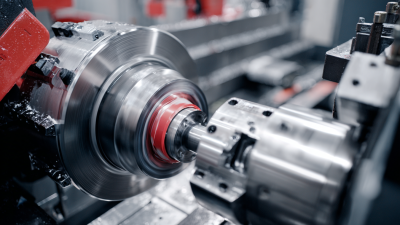
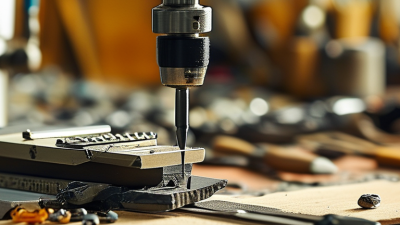
An automatic jewelry making machine turns a digital design or programmed pattern into repeatable physical parts. The operator loads wire, sheet, or a prepared metal blank, then sets dimensions, feed speed, and forming pressure. A feeder guides material into the work area while clamps hold it steady. Servo motors move cutting and forming tools along programmed paths. Sensors can monitor position and material flow, pausing the cycle if alignment shifts or resistance changes. That matters.
Depending on the machine and setup, later steps may include drilling, bending, or joining components. A finished piece still needs inspection: check edges for burrs, measure openings with calipers, and look for uneven joints under good light. Small errors grow. Automatic operation can improve consistency, but it does not fix a poor design or badly prepared material. Different alloys may respond differently to the same settings, so test pieces are useful before a full run. This part can be tedious. It is also where an operator learns whether the programmed settings match the real material, rather than the ideal one on screen.
A CNC jewelry workflow combines operator-led preparation and finishing with machine-controlled cutting or engraving. Once programmed and set up, the machine follows its toolpath consistently. The chart shows a typical workflow; exact steps vary by machine and jewelry design.
Schematic role classification: 0 = primarily operator-led; 1 = primarily machine-controlled. This is not a performance or production-time comparison.
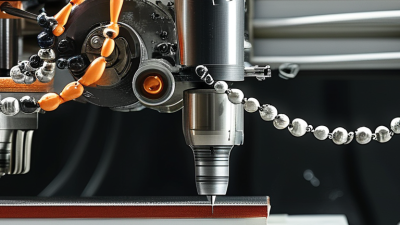
Automatic jewelry-making machines handle repetitive tasks that require consistent dimensions. Depending on the equipment, they can straighten and cut wire, bend it into hooks or links, and form coils for rings and pendants. A programmed feeder can deliver the same wire length repeatedly, reducing manual measuring and trimming.
Some systems assemble chain links, apply solder or localized heat, polish surfaces, or engrave small patterns. More specialized machines can help position stones, though delicate settings often still need a trained eye and careful adjustment. A tiny shift can affect how a stone sits. That matters.
Automation works best when materials and designs are predictable. Operators may need to adjust settings for wire thickness, metal hardness, or a new design, then inspect samples before a full run. Machines can improve repeatability, but they do not automatically judge whether a clasp feels smooth or a finish looks right under bright light. I would not treat every automated result as finished work; occasional marks and imperfect alignment still call for human review.
Why Choose an Automatic Jewelry Making Machine?
What Benefits Does Automation Bring to Jewelry Production?
Automation can make repeated jewelry-production steps more consistent. A machine can maintain a steady feed rate while cutting, forming, or polishing small components. This helps reduce variation across batches of chains, findings, or simple bands. It can also shorten routine production time, letting skilled workers focus on design checks, finishing, and custom work. Less repetitive handling may reduce fatigue. Small gains add up.
Production records can be easier to track when settings and output are monitored. Operators can compare cycle times, material use, and rejected pieces, then adjust a process before waste grows. Still, automation does not guarantee perfect results. A worn tool, incorrect setup, or inconsistent material can affect an entire batch quickly. Machines need maintenance, calibration, and trained operators. Manual methods may remain more flexible for one-off designs. Compare machine capacity with real order volume, not an optimistic forecast.
Tips: Run a small test batch first. Check dimensions and surface finish under good light. Record settings that work, but leave room for adjustment; small parts and different materials may behave unexpectedly.
| Production Dimension | Manual or Semi-Manual Production | Automatic Machine Production | Potential Benefit | Important Consideration |
|---|---|---|---|---|
| Repeatability | Results can vary with operator technique, fatigue, and workholding. | Stored settings and controlled machine movements can repeat the same operations across a batch. | More consistent dimensions and process steps when the machine is correctly set up. | Consistency depends on calibration, tooling condition, material, and the accuracy of the program. |
| Production Rate | The operator performs or supervises each step, so output is limited by task time and available labor. | A machine can carry out programmed operations repeatedly, with the operator handling loading, inspection, and setup. | May increase output for suitable, repeatable jobs. | Actual cycle time varies by machine, design, material, tooling, and batch size; automation does not guarantee a fixed production increase. |
| Design Changes | Adjustments may rely on hand skills and repeated measurement or setup. | On programmable equipment, settings or tool paths can be changed for a different design. | Can support repeatable production of multiple designs without recreating every motion manually. | New programs, fixtures, or tooling may be required; programming and setup take time. |
| Labor and Ergonomics | Repetitive hand operations can require sustained attention and repeated movements. | The machine can take over defined repetitive operations while a trained operator supervises the process. | May reduce repetitive manual work and allow staff to focus on setup, quality checks, and finishing. | Automation changes job tasks rather than eliminating the need for skilled staff, maintenance, or supervision. |
| Quality Control | Inspection often relies on operator checks throughout the process and at completion. | Some systems can follow repeatable parameters, but inspection is still needed to confirm finished-part quality. | A controlled process can make deviations easier to identify across a production run. | Machine settings alone do not verify every finished piece; measurement and visual inspection remain important. |
| Material Use | Material loss depends on the process, operator technique, and amount of rework. | Repeatable cutting or forming operations can help control how material is processed. | May help reduce avoidable variation and rework for well-controlled processes. | Scrap and yield depend on design, material properties, process parameters, and maintenance; savings are not automatic. |
| Best-Fit Applications | Often practical for one-off pieces, highly varied work, and operations requiring direct hand adjustment. | Often suited to repeatable tasks such as forming, cutting, engraving, or producing parts to programmed dimensions. | Choosing automation by task can improve workflow without automating every stage of jewelry making. | Evaluate compatibility with the jewelry design, material, required finish, production volume, and operator skills. |
Why Choose an Automatic Jewelry Making Machine?
What Factors Should Guide Your Machine Choice?
Start with the pieces you actually plan to produce. A machine suited to fine chain links may not handle thick wire or larger components well. Check its working range, material compatibility, and the tolerances it can maintain. A small variation in link size can affect how a finished chain moves and sits. Ask for sample runs using your own metal and design, not only polished demonstration pieces.
Production speed matters, but setup time matters too. If you switch designs often, look for clear adjustments and tooling that can be changed without a long interruption. Consider how much floor space the machine needs, whether operators require specialist training, and how routine cleaning and maintenance are done. A quick maintenance demonstration can reveal more than a feature list. Check what support and replacement parts are available before committing. Then compare the full operating cost with the time and scrap your current process creates. That part is easy to underestimate. One practical detail: record a short trial run, including setup and adjustment time. It may expose a mismatch you would miss in a showroom.