How to Choose the Best Cad Cam Jewelry Machine for Your Needs?
Choosing the right Cad Cam Jewelry Machine is crucial for any jeweler. Expert David Schwartz, a renowned figure in the jewelry technology industry, once said, “The right equipment can make or break your creative process.” His insight highlights the importance of selecting the best tools for your unique needs.
Jewelry making is an art that blends creativity with precision. A quality Cad Cam Jewelry Machine can enhance both aspects. However, the market is flooded with various options. It can be overwhelming to decide which machine suits your style and workflow. You must evaluate your specific requirements before making a choice. Features like speed, precision, and ease of use should be paramount.
Each machine has its strengths and weaknesses. A machine might excel in detail but lag in speed. Another could be user-friendly but not as precise. Understanding these trade-offs is essential. Your decision shouldn't solely rely on brand reputation. Instead, consider what aligns with your creative vision. Balancing functionality with artistic expression is key to finding the perfect Cad Cam Jewelry Machine for your workshop.
Understanding the Basics of CAD CAM Jewelry Machines
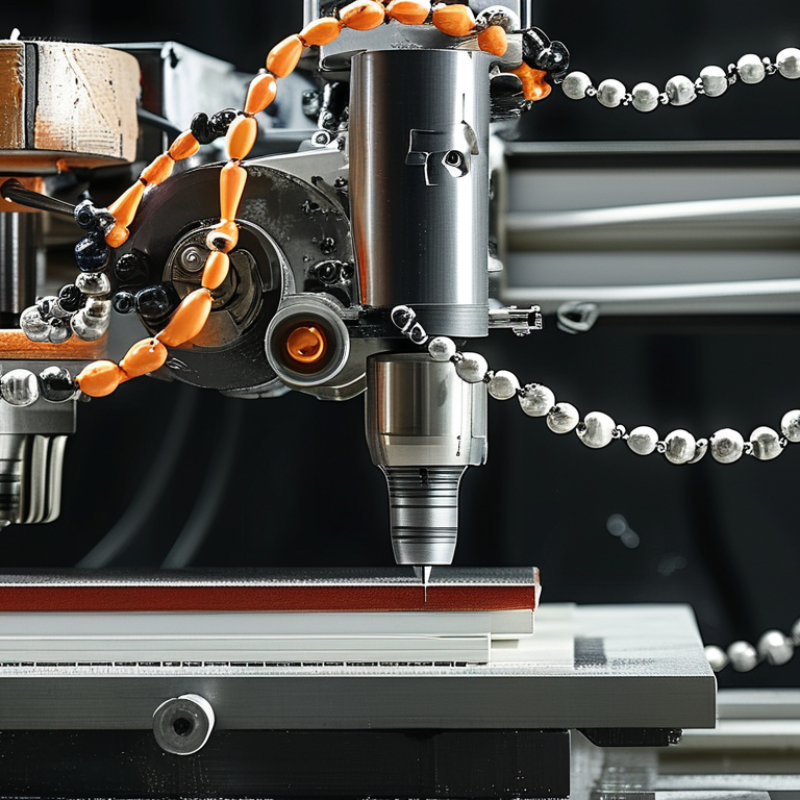
Understanding CAD CAM jewelry machines is essential for jewelers. These machines combine computer-aided design (CAD) with computer-aided manufacturing (CAM). They allow for precise and intricate designs that manual methods struggle to achieve. With CAD software, designers can create stunning 3D models. CAM then turns these models into physical products. It's a streamlined process, but understanding the components is crucial.
When selecting a CAD CAM machine, consider your specific needs. Do you prioritize design flexibility or speed? Evaluate your budget and the machine's capabilities. Look for user-friendly software that matches your skill level. Feedback from other users can provide insights into the machine's reliability. This firsthand experience is invaluable.
**Tips:**
Invest time in learning the software. Mastering it can be challenging but rewarding. Explore online resources and forums for guidance. Test different machines when possible to find the right fit. Remember, the most expensive option isn't always the best for your needs.
Identifying Your Specific Jewelry Production Needs
When it comes to jewelry production, understanding your specific needs is crucial. Start by assessing the materials you want to work with. Different jewelry types require unique approaches. For instance, intricate designs may benefit from high-resolution capabilities, while simpler pieces might only need basic functions. Consider the scale of your production. Are you a hobbyist or running a full-scale business? This decision influences the machine’s features and investment.
Look closely at your design process. If you frequently make adjustments, choose a flexible system. Some machines offer extensive software compatibility, enabling efficient edits. Others might be easier to operate but lack versatility. Additionally, reflect on your workflow. Do you need a portable unit for on-site work, or will a stationary machine suffice? The answer shapes your choice significantly.
Lastly, do not overlook your budget. While it’s tempting to invest in the latest technology, factor in maintenance and operational costs. Sometimes, a less advanced machine aligns better with your financial plan. Balancing features with affordability will guide your decision. Keep these elements in mind as you navigate the various options available in the market. Your needs should steer the selection process, ensuring you find the right fit for your jewelry aspirations.
Jewelry Production Needs Analysis
Comparing Features and Specifications of Different Models
When selecting a Cad Cam jewelry machine, comparing features is crucial. The market offers various models with distinct capabilities. According to a comprehensive industry report, 70% of jewelers prioritize precision in their machining tools. This factor directly impacts the quality of designs produced. Machines with higher precision rates tend to come with advanced software capabilities.
Another essential aspect to consider is speed. Many models boast a production speed increase of up to 50% compared to older versions. This efficiency is vital for businesses aiming to meet growing customer demands. However, increased speed can sometimes compromise detail, which could be a critical issue. An analysis from the Jewelry Manufacturing Association indicates that high-speed machines may not suit all types of intricate designs.
Durability is also significant when evaluating options. Machines constructed from premium materials typically have longer lifespans and require fewer repairs. A reliable machine can significantly lower overall costs for jewelers in the long run. On the flip side, cheaper models might lure buyers with low initial costs but often lead to higher maintenance and replacement expenses. Reflecting on your workflow can help identify which features best align with your operational needs.
Evaluating Budget and Cost Considerations for CAD CAM Machines
Choosing a CAD CAM jewelry machine involves careful budget consideration. Start by determining your maximum budget. This will help narrow down your options and prevent overspending. Keep in mind that while cheaper machines may be tempting, they often lack essential features and durability. Research indicates that investing slightly more can lead to higher productivity and better quality.
When evaluating cost, consider not just the purchase price, but also maintenance and operation expenses. Look for machines that require minimal upkeep and warranties. This can save money in the long run. Additionally, factor in software costs; some machines come bundled with robust software solutions that enhance your design capabilities.
Tips: Try to gather insights from professionals in the field. Their experiences can guide your decision-making. Also, attending trade shows can expose you to various machines and their real-world applications. Remember that reviews can be helpful, but they often reflect personal experiences rather than universal truths. Being cautious and asking questions can lead to a more informed choice. Keep an open mind and be prepared to adjust your preferences based on your findings.
Researching Customer Reviews and Industry Recommendations
When selecting a CAD CAM jewelry machine, customer reviews and industry recommendations are invaluable resources. You can gather insights from those who have firsthand experience with various models. Look for patterns in feedback that highlight strengths and weaknesses. This gives you a balanced view of what might work for you.
Tip: Don’t just focus on high ratings. Sometimes, the most revealing information comes from lower-rated reviews. These often detail specific issues that might matter to you. Understanding both sides will help you avoid potential pitfalls.
You should also consider professional endorsements. Experts in the jewelry-making community can point you toward machines that have proved reliable over time. Research trade publications and online forums where professionals share their experiences. These discussions can illuminate common challenges and solutions you might face.
Tip: Engage with other users in online groups. Their insights can confirm or challenge your findings, providing a more comprehensive understanding. Real-life applications often differ from marketing claims, so tap into this collective knowledge.
How to Choose the Best Cad Cam Jewelry Machine for Your Needs? - Researching Customer Reviews and Industry Recommendations
| Feature |
Importance Level |
Customer Rating |
Common Issues |
| Precision |
High |
4.8/5 |
Occasional calibration needed |
| Ease of Use |
Medium |
4.5/5 |
Steep learning curve |
| Software Compatibility |
High |
4.6/5 |
Limited updates for older software |
| Speed of Production |
Medium |
4.4/5 |
Can lag with complex designs |
| Customer Support |
Medium |
4.3/5 |
Response time can be slow |




 Lily
Lily Jason wong