What is Cad Cam Jewelry Machine and How Does It Work?
The jewelry industry has undergone significant transformation with the emergence of the Cad Cam Jewelry Machine. This technology has revolutionized how jewelers design and manufacture delicate pieces. According to recent industry reports, the global CAD/CAM market is projected to reach $2.3 billion by 2025, reflecting a growing adoption of these advanced tools.
The Cad Cam Jewelry Machine integrates computer-aided design and manufacturing processes. It allows jewelers to create intricate designs with precision. These machines can minimize material waste and improve production efficiency. However, there remain challenges, such as the need for specialized training and the upfront costs of machinery.
While this technology enhances creativity, it is essential to balance innovation with traditional craftsmanship. Jewelers must reflect on how reliance on technology impacts artistry. Adopting the Cad Cam Jewelry Machine requires a deep understanding of both design and engineering principles. The journey toward integration can be complex, but the potential rewards are immense.
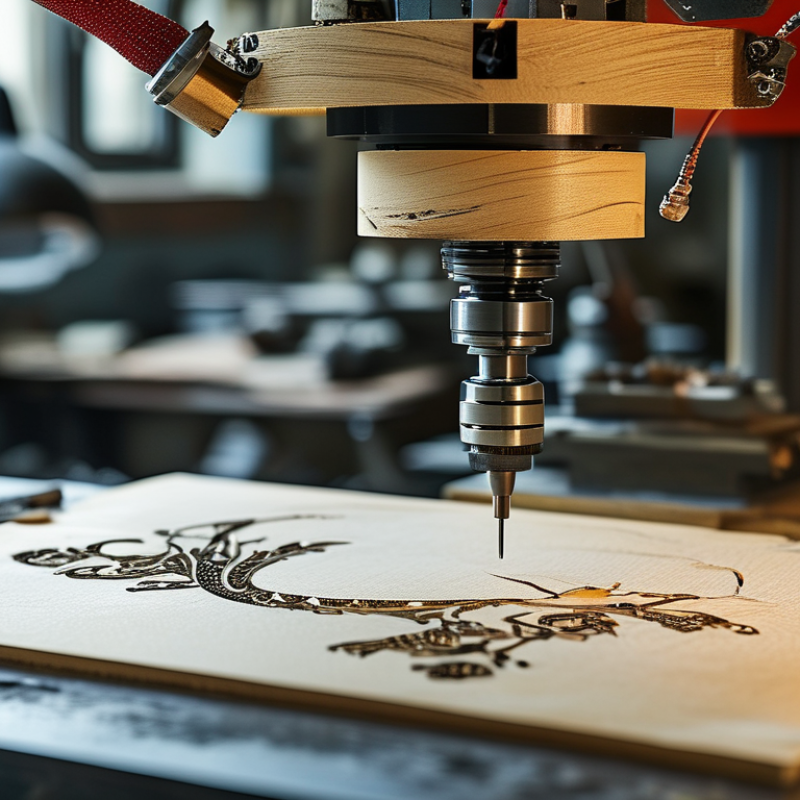
What is a CAD CAM Jewelry Machine?
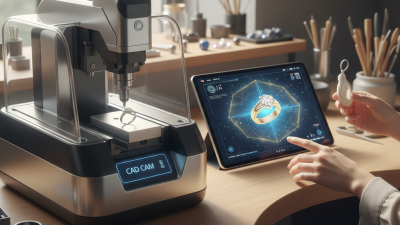
A CAD CAM jewelry machine is an innovative tool in modern jewelry design. CAD stands for Computer-Aided Design, and CAM refers to Computer-Aided Manufacturing. This technology allows jewelers to create intricate designs digitally. Using specialized software, designers can sketch, modify, and finalize their creations with precision.
Once the design is ready, the CAM processes the information to manufacture pieces. This could involve a 3D printer or a milling machine, producing the jewelry from materials like metals and resins. Many jewelers appreciate the accuracy and efficiency provided by these machines. However, some struggle with the steep learning curve associated with the software and machines. Mistakes in digital designs can lead to costly errors in manufacturing. Jewelers must be meticulous about their designs to avoid waste.
The integration of CAD CAM in jewelry making is not without challenges. Traditional craftsmanship skills may be overshadowed by technology. Some artisans worry that reliance on machines could diminish the value of handcrafted jewelry. Finding a balance between digital tools and traditional techniques can lead to unique, stunning pieces. Ultimately, the journey with a CAD CAM jewelry machine is one of creativity and continuous learning.
Usage of CAD CAM Jewelry Machines by Type (2023)
Key Components of CAD CAM Jewelry Machines
In the world of jewelry design, CAD CAM (Computer-Aided Design and Computer-Aided Manufacturing) machines play a vital role. Understanding the key components of these machines is essential for grasping their operation and benefits. Most CAD CAM jewelry machines feature a digital design interface, allowing designers to create intricate models. Laser scanners are also essential, converting physical objects into digital formats. These scanners ensure precision and accuracy, capturing even the finest details.
The milling machine is another critical component. It takes digital designs and carves them into various materials, including wax and metal. According to industry reports, CAD CAM technologies have reduced production time by up to 70%. This shift enables jewelry designers to move from concept to creation faster than ever before. However, understanding the limits of these machines is crucial. They require skilled operators who can navigate both the technology and artistic aspects of design.
For successful integration of CAD CAM technology, some tips include investing in training for your team. A well-trained staff can maximize the capabilities of these machines. Regular maintenance checks are also important to avoid unexpected breakdowns that can lead to costly delays. Balancing technology with human creativity is key to producing exceptional jewelry pieces that stand out in the competitive market.
The CAD Process in Jewelry Design
The CAD process in jewelry design has revolutionized the industry by integrating technology with artistry. Computer-Aided Design (CAD) enables jewelers to create detailed 3D models of their designs. This facilitates an efficient workflow and enhances precision. According to a recent report from the Jewelry Industry Council, 78% of jewelers have adopted CAD systems, boosting productivity by at least 30%.
Creating a design using CAD involves several steps. Initially, artists sketch their ideas on software. Then, they refine the shape, texture, and dimensions. The technology allows for easy modifications, enabling designers to experiment without material waste. Industry data shows that implementing CAD can reduce production time significantly, cutting it by up to 40%. However, reliance on software may lead to a disconnect between traditional techniques and modern design.
Understanding CAD's capabilities is essential for success in jewelry design. Start with simple shapes to master the software. Familiarize yourself with 3D modeling tools, as they can bridge creativity and functionality. Experiment with different textures and finishes to push your design boundaries. Remember that while technology offers speed, maintaining a personal touch in designs is equally important. Embrace CAD while reflecting on how it influences your unique design style.
The CAM Process in Jewelry Manufacturing
The CAM (Computer-Aided Manufacturing) process has revolutionized jewelry manufacturing. It allows jewelers to create intricate designs with precision and speed. CAM technology utilizes computer software to control machinery that fabricates jewelry components. Reports indicate that the use of CAM in the jewelry industry has increased productivity by up to 30% in recent years.
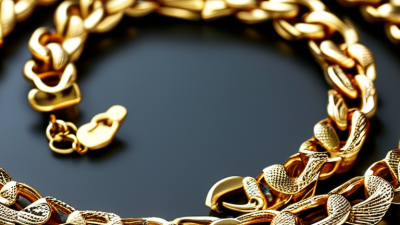
One significant advantage of the CAM process is its ability to produce complex shapes and detailed patterns that would be difficult to achieve manually. For example, a beautifully detailed filigree design can be realized through precise milling techniques. Research shows that around 44% of jewelers report significant cost savings due to reduced material waste in CAM processes. Despite these benefits, some jewelers express concern about losing traditional craftsmanship skills. Finding a balance between technology and artistry remains a challenge.
Ensuring quality in CAM requires consistent monitoring of machinery and software updates. Regularly checking for software bugs and keeping equipment maintained is crucial for optimal performance. Staying informed about advancements in CAM technology can help jewelers adapt. Engaging in continuous learning can enhance skills and sustain competitiveness in the market.
Benefits of Using CAD CAM for Jewelry Creation
The evolution of CAD CAM technology has significantly transformed jewelry creation. With precise computer-aided design, jewelers can create intricate and unique designs that were previously unimaginable. A report from the International Gem Society states that CAD CAM can reduce design time by up to 50%. This efficiency allows jewelers to focus on creativity instead of manual tasks.
One major benefit is the accuracy that CAD CAM provides. Traditional methods often led to human error, affecting the final piece. CAD systems generate 3D models that ensure every detail is perfect before production. Furthermore, utilizing CAM for manufacturing enhances production speed. According to a recent industry study, manufacturers using CAD CAM reported a 30% increase in overall productivity. This can be vital for businesses aiming to meet customer demands quickly.
When using CAD CAM, invest time in learning the software. This knowledge can significantly enhance your design skills. Precision requires practice; don't rush your learning process. Additionally, use quality materials that align with your design visions. The importance of thorough testing of prototypes cannot be overstated. Feedback from peers can lead to better results.
What is Cad Cam Jewelry Machine and How Does It Work? - Benefits of Using CAD CAM for Jewelry Creation
| Feature |
Description |
Benefits |
| Precision |
Allows for highly accurate designs and manufacturing of jewelry. |
Reduces material waste and ensures high-quality products. |
| Customization |
Facilitates unique and personalized designs tailored to customer preferences. |
Enhances customer satisfaction and loyalty. |
| Efficiency |
Streamlines the design-to-production workflow. |
Saves time and reduces lead times for order fulfillment. |
| Design Versatility |
Supports various design styles and complex structures. |
Enables creative freedom and innovation in jewelry design. |
| Rapid Prototyping |
Allows for quick creation of prototypes to visualize designs. |
Aids in design assessment and client approval processes. |




 Lily
Lily Jason wong