What Is the Best Gold Chain Machine in 2026?
Choosing the best Gold Chain Machine in 2026 depends on the chain you plan to make, your production volume, and the consistency your customers expect. A compact machine may suit a small workshop, while a high-output line needs stable feeding, repeatable links, and accessible maintenance. The details matter. A loose guide, uneven wire, or a poorly matched forming setup can leave visible differences along a finished chain.
This comparison looks at chain styles, output, setup flexibility, operator skill, servicing, and the quality of technical support. It also considers practical workshop details: how quickly a machine changes from one pattern to another, whether adjustments are clear, and how easily an operator can inspect the links. A specification sheet helps, but it cannot show every vibration, jam, or learning curve. That deserves a closer look.
A source-verified quotation from a named Gold Chain Machine specialist was not provided, so I won’t invent one. Before publication, add a direct quotation from a verifiable engineer or manufacturer representative, along with the person’s name and source. For now, use this as the guiding question: does the machine produce the chain you need, consistently, at a cost your operation can support? Not just on a showroom sample. Real production is messier, and this guide will weigh those trade-offs before naming a best choice.
What a Gold Chain Making Machine Does and How It Works
What Is the Best Gold Chain Machine in 2026?
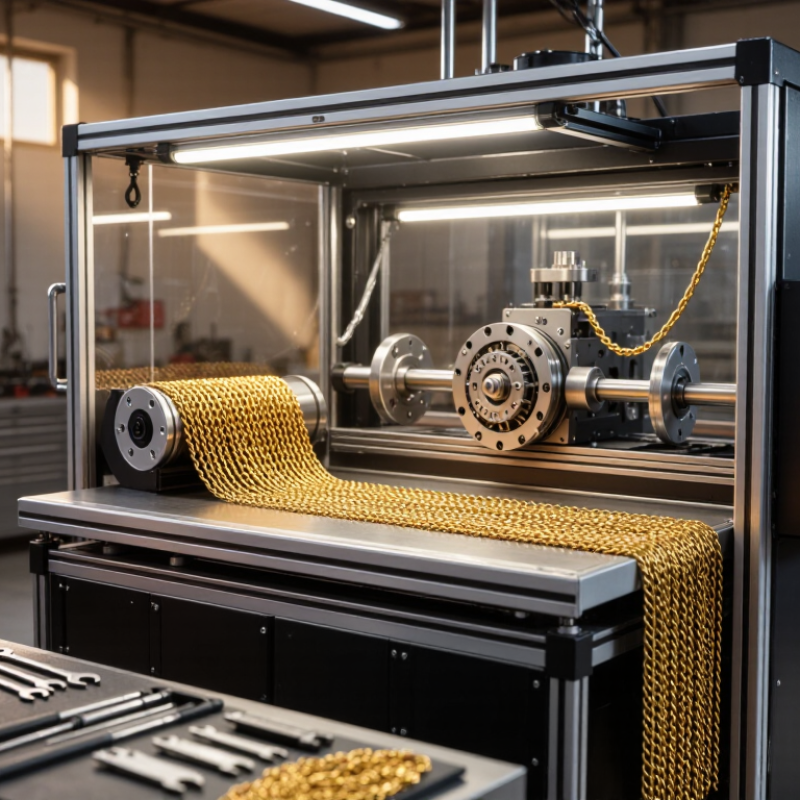
A gold chain making machine forms metal wire into repeating links with consistent dimensions. A feeder guides the wire through forming tools, which bend it into links and advance the chain. Depending on the machine, links may be joined by laser welding, resistance welding, or soldering. Not every unit handles every step. Link style, alloy, wire diameter, and target output shape the setup.
The details matter. A 0.4 mm wire behaves differently from a heavier one, especially when tension or annealing varies. Operators check link closure, surface marks, and chain length, then adjust feed and forming settings. Small errors repeat quickly. That is useful, but unforgiving. A machine can make a clean sample and still drift during a long run. Maintenance and operator skill matter too.
Demand helps explain why repeatability counts. The World Gold Council’s Gold Demand Trends: Full Year 2024 reported global gold jewellery demand of 1,877 tonnes, down from 2,093 tonnes in 2023. With gold prices high, material efficiency becomes more important. For a 2026 purchase, compare chain styles, changeover time, scrap rate, weld consistency, and service access—not advertised speed alone. I would test the exact alloy and link pattern before committing. Faster is not always better.
The Main Types of Gold Chain Machines Available in 2026
The main types of gold chain machines in 2026 are defined by chain pattern and production level. Pattern-specific machines form cable, curb, rope, or foxtail links; each needs suitable wire feeding and link-forming settings. Some setups also include soldering and calibration stages. Hollow-chain machines are a separate option, forming lightweight links that need careful handling. Not every machine handles every pattern well.
Machines may be hand-operated, semi-automatic, or fully automatic. Hand-operated models suit small batches and frequent adjustments, while automated lines can maintain steadier output for repeat orders. The World Gold Council’s Gold Demand Trends: Full Year 2024 reported global gold jewellery demand of about 1,877 tonnes. That figure shows the scale of the jewellery market, not demand for any particular machine. Output quality still depends on wire consistency, setup, and operator skill. The choice is not always tidy; a workshop may need more than one setup.
Tips: Match the machine to your most common chain pattern, wire thickness, and daily output. Ask for a sample run, then inspect link shape and solder joints under magnification. Check maintenance needs, too. A fast machine can still create costly rework.
Key Features for Comparing Gold Chain Machines
What Is the Best Gold Chain Machine in 2026?
Key Features for Comparing Gold Chain Machines
The best gold chain machine is the one that consistently produces the chain styles you sell, with minimal scrap and downtime. Start with wire-size range, chain-pattern capability, and pitch consistency. Ask for a sample run using your own gold wire. Then inspect the links. Look for even spacing, secure joints, and a smooth surface under magnification. Small details matter.
Output speed is only useful when quality stays stable. Compare operating speed with changeover time, setup complexity, and the machine’s ability to maintain wire tension. Check whether operators can adjust settings precisely and repeat them across production runs. A clear maintenance schedule and accessible wear parts also matter. One caveat: advertised speed may not reflect time spent changing patterns or correcting defects.
Market conditions make material efficiency especially important. The World Gold Council’s Gold Demand Trends: Full Year 2024 reported global gold jewellery demand of 1,877 tonnes, down 11% from 2023. With gold costly, even small losses from inconsistent forming can add up. Compare scrap rates during a realistic trial, not just a short demonstration. I would also ask operators what feels difficult after a full shift; that feedback can expose issues a specification sheet misses.
What Is the Best Gold Chain Machine in 2026?
The best machine depends on the chain style and production requirements. Prioritize compatibility with your chain designs and wire sizes, then compare output speed, changeover time, and maintenance access. Ratings show an illustrative buyer-priority framework, not measured performance data for specific machines.
How to Match a Machine to Chain Designs and Production Needs
The best gold chain machine depends on the chain you need to make, not just its advertised speed. A fine cable chain and a heavier curb chain place different demands on wire feeding, link forming, and welding. Match the machine’s working range to your wire diameter and target link size. Fit matters.
For a consistent pattern, check how easily the machine adjusts link pitch and forming pressure. Ask for sample runs using wire close to your own material and dimensions. Inspect the links under magnification: uneven gaps, flattened sections, or rough joins can become costly when production scales up. Test it first. A short demonstration may not reveal how often operators need to pause for adjustments.
Production volume matters, but so does changeover time. A machine suited to one chain style may slow a workshop that switches designs every day. Compare realistic output with the time needed for setup, cleaning, and routine maintenance. I would be cautious about choosing by maximum speed alone; a slower, stable process can create less rework. Also confirm that operators can access service guidance and replacement tooling. One detail is easy to overlook: a machine can meet the specification and still feel awkward on the shop floor.
Factors That Define the Best Gold Chain Machine for a Workshop
What Is the Best Gold Chain Machine in 2026?
Factors That Define the Best Gold Chain Machine for a Workshop
The best machine depends on the chains your workshop actually makes. A unit suited to fine cable links may not handle thicker, heavier patterns well. Check its supported wire diameters, chain styles, and adjustment range before comparing production speed. Small details matter. A clear control panel and accessible threading points can save time during daily setup.
Consistency is essential when working with precious metal. Look for stable link formation, repeatable tension, and settings that operators can adjust without guesswork. Ask for sample chains made at your intended wire size, then inspect link closure and surface finish under good light. A high speed rating sounds impressive, but uneven links can create more rework than the extra output is worth. Not always.
Also consider the whole workshop routine. How long does a pattern change take? Are forming tools easy to replace, and can staff get practical training? A compact machine may fit a crowded bench, while a larger model could offer easier access for maintenance. Compare power needs, noise, guarding, and the supplier’s technical support. I would leave room for doubt: specifications rarely show how a machine behaves during a full shift. A short production trial can reveal vibration, wire-feed interruptions, or awkward adjustments that a brochure misses.




 Lily
 Jason wong