Top 10 Gold Chain Machines for Perfect Jewelry Making
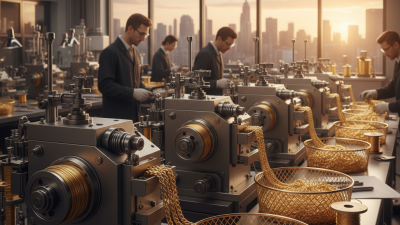
Jewelry making has evolved significantly over the years, driven by innovation in technology and craftsmanship. Among the essential tools that have transformed the jewelry industry, the Gold Chain Machine stands out as a crucial instrument for artisans and manufacturers alike. These machines not only enhance the efficiency of chain-making processes but also ensure precision and consistency in the quality of the final products. As the demand for intricately designed gold chains continues to rise, understanding the various Gold Chain Machines available can help both seasoned jewelers and newcomers make informed decisions about their jewelry-making endeavors.
In this article, we will explore the top 10 Gold Chain Machines that are redefining the standards in jewelry creation. Each machine plays a unique role, from simplifying the production of delicate chains to accommodating large-scale manufacturing needs. Whether you’re looking to create bespoke pieces or boost your production line, these machines cater to a variety of needs while prioritizing craftsmanship and reliability. Join us as we delve into the features and benefits of these innovative Gold Chain Machines, paving the way for your success in the world of jewelry making.

Top Factors to Consider When Choosing Gold Chain Machines
When selecting gold chain machines for jewelry making, several key factors must be considered to ensure optimal performance and quality. First, the machine's build quality and durability are essential. Choosing a sturdy, well-constructed machine can significantly impact the consistency of results and the longevity of the equipment. A machine made from high-grade materials will resist wear and tear, thus maintaining performance over numerous projects.
Another critical factor is the machine's versatility in accommodating different styles and designs of gold chains. Look for machines that can handle various link styles, thicknesses, and finishes, allowing for greater creativity in jewelry making. Additionally, ease of operation and maintenance should not be overlooked; user-friendly controls and straightforward maintenance procedures can save significant time and effort, enhancing the overall efficiency of the jewelry-making process.
By considering these factors, jewelers can select the gold chain machines that best meet their creative and business needs.
Overview of Different Types of Gold Chain Machines Available
When it comes to jewelry making, particularly gold chain production, choosing the right machinery is essential for achieving precision and efficiency. There are various types of gold chain machines available on the market that cater to different aspects of the manufacturing process. Commonly used machines include chain making machines, wire drawing machines, and soldering machines. Each of these plays a critical role in ensuring the final product is of high quality. According to a recent industry report by Grand View Research, the gold jewelry market is expected to reach $250 billion by 2025, highlighting the increasing demand for efficient manufacturing practices.
When selecting a gold chain machine, it's vital to consider the production capacity and type of chains you aim to create. For instance, machines designed for making link chains often offer advanced features that allow for better control of chain size and weight. Moreover, automation in chain-making can significantly reduce labor costs and improve consistency in production. A report by Research and Markets indicates that automated jewelry manufacturing can increase output by as much as 40%, making investment in the right machinery a smart choice for jewelers.
**Tips:** Before investing in gold chain machines, conduct thorough research on the types that best suit your specific needs. Pay attention to user reviews and case studies from industry peers. Additionally, consider the long-term maintenance costs associated with different machines to ensure they align with your budget and production goals.
Key Features and Technologies in Modern Chain Making Machines
Modern chain making machines play a pivotal role in the jewelry industry, offering advanced features and technologies that significantly enhance the efficiency and precision of gold chain production. One of the key features of these machines is their automation capabilities, allowing for streamlined operations that reduce labor costs while improving output quality. According to a report by MarketsandMarkets, the global market for jewelry manufacturing equipment is expected to grow at a CAGR of 6.5% from 2022 to 2027, highlighting the increasing adoption of automated solutions in jewelry making.
Another critical aspect of modern gold chain machines is their ability to produce intricate designs with high precision. Machines equipped with CNC (Computer Numerical Control) technology can create complex patterns and customized chain links that were previously unattainable with manual methods. This technology significantly reduces human error, leading to more consistent results and higher-quality products. As indicated by industry analysis from Technavio, precision engineering in jewelry manufacturing can improve production rates by up to 30%, making it an essential feature for businesses aiming to meet growing consumer demand in an increasingly competitive market.
Additionally, many modern machines incorporate advanced materials and techniques such as laser welding, which allows for stronger and more durable joinery in chain links without the risk of visible seams. This innovation not only enhances the aesthetic appeal of the jewelry but also contributes to the longevity of the pieces, aligning with consumer preferences for high-quality, long-lasting products. As the jewelry market continues to evolve and consumer expectations rise, the integration of these advanced technologies in chain making machines will be crucial for manufacturers to stay competitive.
Top 10 Gold Chain Machines for Perfect Jewelry Making
| Machine Model |
Max Chain Length (m) |
Material Used |
Production Speed (chains/hour) |
Key Technology |
| Model A |
15 |
Gold, Silver |
200 |
Laser Welding |
| Model B |
20 |
Gold |
180 |
Automatic Link Assembly |
| Model C |
10 |
Silver |
150 |
High Precision CNC |
| Model D |
18 |
Gold, Platinum |
220 |
Smart Control System |
| Model E |
12 |
Gold |
160 |
Multi-Function Workstation |
| Model F |
14 |
Gold, Silver |
190 |
Robotic Arm Technology |
| Model G |
25 |
Platinum |
250 |
Smart Automation |
| Model H |
11 |
Gold |
140 |
Innovative Cooling System |
| Model I |
23 |
Silver, Gold |
230 |
Precision Laser Cutting |
| Model J |
16 |
Gold |
170 |
Real-Time Monitoring |
Market Trends: Demand for Gold Chains and Machine Innovations
The market for gold chains continues to witness a steady surge in demand, driven by their timeless appeal and versatility in jewelry design. As consumers increasingly seek personalized and unique accessories, the need for innovative gold chain-making machines has become paramount. These machines not only streamline production but also enhance the quality and precision of the chains manufactured, catering to a diverse range of styles and preferences.
In response to this growing trend, manufacturers are focusing on incorporating advanced technologies into their machinery, such as automation and computer-aided design (CAD). These innovations allow for greater creativity in design while maintaining efficiency in production. Furthermore, sustainable practices are becoming a key consideration, with machines designed to minimize metal wastage and energy consumption. As the industry adapts to consumer desires for both aesthetic and ethical considerations, the evolution of gold chain machines is set to play a crucial role in shaping the future of jewelry making.
Comparative Analysis of Leading Gold Chain Machine Brands and Models
When considering the purchase of gold chain machines for jewelry making, a comparative analysis of leading brands and models reveals significant variations in performance, efficiency, and user-friendliness. Different machines cater to various production scales, from small workshops to large manufacturing facilities. Factors such as automation level, speed of operation, and the ability to handle multiple chain designs play a crucial role in determining which machine suits specific needs.
Moreover, the features of gold chain machines can greatly affect the quality of the final product. Machines equipped with advanced technology often ensure precision and uniformity, essential for a polished appearance. Additionally, ease of maintenance and customer support offered by manufacturers can influence the decision-making process. By closely examining the specifications and reviews of different models, potential buyers can make informed choices that align with their production goals and budget, ultimately enhancing their jewelry-making endeavors.



 Lily
Lily Jason wong