Top 10 Chopin Chain Weaving Machine Manufacturers for Buyers
Global textile-equipment markets keep changing. Buyers need evidence closer to the machine floor. ITMF’s International Textile Machinery Shipment Statistics, 2023 edition, tracks shipments across major machinery categories. It offers investment context, but does not isolate Chopin chain weaving equipment or rank its manufacturers. That gap matters.
A Chopin Chain Weaving Machine must suit the intended chain structure, yarn, fabric width, and production volume. Ask suppliers for verified output rates, pattern limits, power consumption, changeover time, and spare-parts availability. Request a sample run using your own yarn. Watch the tension path, needle movement, and fabric edge during continuous operation. Small details matter. Some supplier figures may still be difficult to compare.
Industry-wide reports are only a starting point. ITMF’s 2022 and 2023 shipment reports provide broader machinery-market context, but cannot validate a particular model’s performance. Compare documented specifications, installation references, service response times, and acceptance-test results. Ask how quoted figures were measured. A polished brochure is not a factory trial. This guide presents ten manufacturers for buyer evaluation, not as a universal ranking. Confirm the current model, available options, and after-sales coverage directly before ordering. No shortlist replaces a careful test.
What Is a Chopin Chain Weaving Machine?
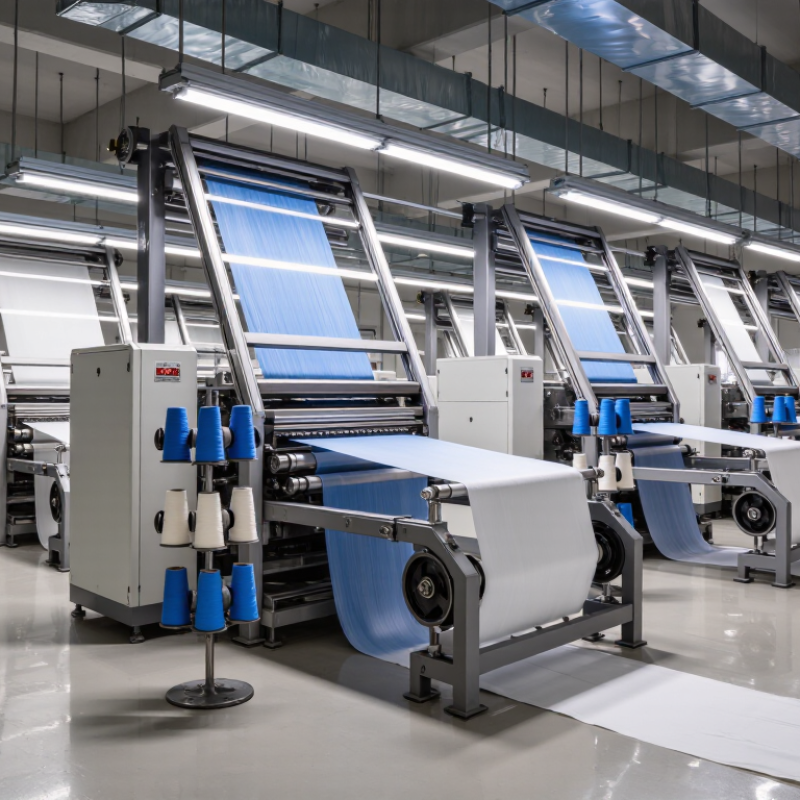
A Chopin chain weaving machine is generally understood as a loom that forms interlinked yarns or loops into a continuous chain-like textile. Depending on its design, it may produce narrow bands, cords, or structured mesh. “Chopin” is not a universally standardized machine category, so buyers should confirm the exact process with a sample, not just a catalog label. The distinction matters.
Core parts usually include yarn feeds, tension controls, a needle or weaving head, and take-up rollers. Together, they control loop formation, fabric width, and output consistency. Watch the yarn path during a trial: uneven tension can create loose edges or irregular links. Small settings matter.
Textile Exchange’s Materials Market Report 2024 estimates global fiber production reached 124 million tonnes in 2023, with production potentially rising to 160 million tonnes by 2030. This is broad industry context, not a forecast for chain-weaving equipment specifically. It does underline why material compatibility matters. Ask suppliers to test the actual yarn type, count, and desired width, then check speed, stoppage frequency, and waste over a sustained run. A short demonstration can look convincing. Longer trials reveal more.
How Chopin Chain Weaving Machines Work and Where They Are Used
A Chopin chain weaving machine makes narrow, flexible fabrics by forming and linking yarn loops. Warp yarns pass through guides, while a moving needle chain catches and interlaces them. Feed rollers control yarn delivery, and pattern guides help set the band’s structure and width. The result may be a simple elastic tape or a denser woven strip. Tension matters: a small mismatch can leave loose edges or uneven loops.
These machines are used for garment tapes, straps, elastic bands, decorative trims, and technical narrow fabrics. A buyer should match machine width, needle count, speed, and yarn compatibility to the intended product. For example, a soft waistband needs different tension and yarn handling from a firm utility strap. In practice, the first setup is rarely perfect. Test runs reveal issues that a specification sheet may not show, such as yarn breakage at higher speeds.
Tips: Ask for a sample using your actual yarn, then inspect loop uniformity and edge finish. Check how quickly operators can change patterns and clear yarn breaks. Keep a short setup log; even experienced teams sometimes repeat avoidable adjustments.
Key Criteria for Evaluating Machine Manufacturers
When comparing Chopin chain weaving machine manufacturers, ask for a witnessed trial using your yarn, chain pattern, and target fabric width. Watch the machine run for several hours. Check stitch consistency, thread breaks, vibration, and changeover time. Request measured output, not just rated speed. A fast machine is not efficient if operators must stop it often.
ITMF’s 2023 International Textile Machinery Shipment Statistics reported about 82,000 shuttle-less looms shipped worldwide, 28% fewer than in 2022. This is a broad loom-market indicator, not a chain-weaving sales figure. It does, however, underline why buyers should test a supplier’s service capacity and parts availability, not assume support will be immediate. Ask for typical response times and the lead times for wear parts such as guides and needles.
Check build quality at close range. Inspect guards, accessible adjustment points, wiring, and lubrication areas. Ask for acceptance criteria in writing, including output tolerances and training hours. Compare power use per production hour under similar settings. A perfect brochure proves little. One practical weakness: factory trials may not reproduce your operators’ daily conditions, so plan a follow-up review after installation. Verify references from users running comparable yarns and production schedules.
Profiles of 10 Chopin Chain Weaving Machine Manufacturers
The narrow-fabric specialist focuses on compact chain weaving machines for trims and small textile components. Buyers should check sample width and edge consistency. A small workshop can reveal more than a glossy brochure. The high-speed equipment maker emphasizes stable production, firm frames, and reduced vibration. Ask for operating data under comparable yarn and fabric conditions. The customization-focused manufacturer adapts machine width, needle arrangements, or take-up systems for specific products. Changes can add cost and lead time. The automation-oriented supplier integrates electronic controls and fault alerts, while the energy-conscious builder pays attention to motor efficiency and accessible maintenance points.
The export-focused manufacturer may offer clearer manuals and remote technical support, but response times deserve verification. The long-established workshop often has practical repair knowledge and familiar spare parts; older designs may be less flexible. The precision-engineering maker highlights careful component tolerances, useful for repeatable patterns. The entry-level supplier offers simpler configurations for buyers testing a new product line. Check what the quoted price excludes. Finally, the application-led manufacturer develops machines around particular chain fabrics and production workflows. Its expertise may be valuable, though its range could be narrow.
These profiles describe useful supplier strengths, not guaranteed performance. Request running samples, inspect tension control and stitch uniformity, and confirm spare-part availability before comparing quotations. One detail is easy to overlook: a machine that runs smoothly during a short demonstration may behave differently across a full shift. Ask for a realistic trial.
How Buyers Can Compare Suppliers and Plan Procurement
When comparing Chopin chain weaving machine suppliers, match each proposal to your actual production plan. Record the chain dimensions, wire or yarn specifications, target output, and expected operating hours. Ask suppliers to explain how speed changes may affect consistency and reject rates. Small details matter. Request a sample run using your intended materials, then inspect link shape, tension, and finish under normal lighting. Ask for proof. A polished specification sheet can still miss a shop-floor constraint, so clarify what is included in setup, operator training, and installation.
Compare the full procurement cost, not just the machine price. Include tooling, recommended spare parts, shipping, commissioning, and likely maintenance intervals. Ask for written delivery milestones and a clear response process for technical questions. Check whether manuals include adjustment steps, lubrication points, and fault codes. Keep a buffer. Lead times can shift when custom components are involved. I would also leave room for a second sample run; an early test may not reflect steady production. Compare suppliers using the same checklist, and note where an answer remains vague. That record makes trade-offs easier to review with engineering and purchasing teams.







 Lily
 Jason wong