Top Old Chain Making Machines for Global Buyers?
The global demand for old chain making machines has surged in recent years. Many manufacturers seek reliable, cost-effective options to meet their production needs. Old chain making machines offer unique advantages, such as durability and simplicity. They often come from trusted sources, ensuring quality that withstands the test of time.
However, despite their benefits, buyers face challenges. Some machines may require frequent maintenance. It's essential to assess their condition before purchase. Additionally, the technology in the newer models may outpace them, leading to potential inefficiencies. Buyers must weigh these factors carefully.
Investing in old chain making machines can be a rewarding decision for those who do their homework. Finding a trustworthy supplier is crucial. The right choice can lead to significant cost savings and improved production capabilities.
Top Old Chain Making Machines: Historical Significance in Manufacturing
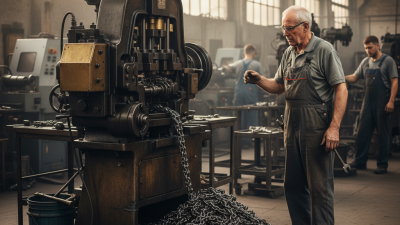
The manufacturing of chain making machines has a rich history. These machines have evolved significantly since their inception in the early 19th century. They played a crucial role in transforming industries, particularly in automating processes. According to industry reports, the global market for chain manufacturing machinery was valued at approximately $1.2 billion in 2020. This reflects the growing demand for automation in various sectors.
Early machines often required skilled craftsmen to operate. They led to increases in production but also raised concerns about job displacement. Historical data suggests that while productivity surged, the adaptation to mechanization was met with resistance. An estimated 30% of workers in traditional roles had to seek new employment as these machines became commonplace.
Old chain making machines serve as a reminder of industrial change. They embody both innovation and a complex relationship with labor. As we look back, there is an opportunity to reflect on how technology intersects with jobs. The challenges of integrating machinery without losing craftsmanship remain relevant today. Balancing advancements with worker support is critical in this ongoing evolution.
Top Old Chain Making Machines for Global Buyers
| Machine Type |
Year Introduced |
Production Capacity (Units/Hour) |
Key Features |
| Manual Chain Making Machine |
1950 |
50 |
Durable build, low maintenance |
| Semi-Automatic Chain Machine |
1975 |
120 |
Enhanced productivity, user-friendly |
| Fully Automatic Chain Making Machine |
1990 |
300 |
High efficiency, programmable settings |
| Electric Chain Making Machine |
1985 |
200 |
Energy efficient, quick-change tooling |
| Chain Assembly Machine |
2005 |
150 |
Integrated systems, reliable operation |
Technological Advancements in Chain Production Machines Over the Decades
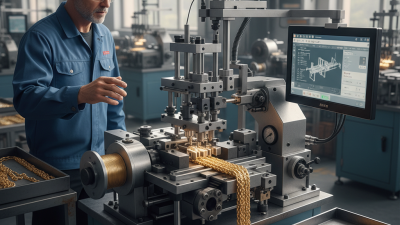
The journey of chain production machines over the decades showcases remarkable technological advancements. From rudimentary hand-operated tools to sophisticated automated systems, the evolution has transformed the industry. Early machines were slow and labor-intensive, limiting production capacity. Modern technology has introduced CNC (Computer Numerical Control) and robotics, drastically improving efficiency and precision.
Automation has revolutionized chain-making processes. It allows for rapid production cycles and reduces human error. Advanced materials and coatings extend the lifespan of chains, making them more reliable. However, the transition to automation comes with challenges. Many manufacturers struggle with high initial investments and the need for skilled operators. Continuous training remains crucial as technology evolves.
Sustainability is another emerging focus. Energy-efficient machines are becoming more common, aligning production with environmental goals. Innovative designs can minimize waste and improve overall efficiency. Balancing advanced technology with sustainable practices is a complex pursuit. Manufacturers must adapt to remain competitive in a global market.
Market Trends: Demand for Vintage Chain Making Machines in 2023
The demand for vintage chain making machines is on the rise in 2023. According to a recent report by Industry Insights, the market for old machinery has seen a 30% growth this year. Buyers are increasingly interested in machines that offer durability and unique craftsmanship. This trend highlights a shift in consumer preferences towards traditional manufacturing methods.
One reason for this upsurge is the growing interest in sustainable practices. Vintage machines often consume less energy compared to their modern counterparts. A study from Market Research Future found that 45% of buyers prioritize environmentally friendly production. They seek machines that align with these values, which highlights an important junction in the industry.
Yet, not all vintage machines are easy to find or maintain. Many require specialized parts or expertise for repairs. This can deter some potential buyers. However, those who invest in these older models often find they provide a unique quality. The challenge remains: balancing the allure of vintage machinery with practical concerns about availability and upkeep.
Key Features and Specifications of Leading Old Chain Making Machines
When considering old chain making machines, their features and specifications reveal much about their effectiveness. Durability stands out as a key feature. Machines built with robust materials can withstand extensive use. Users commonly report lower maintenance needs, saving time and costs.
Speed and efficiency are also crucial. Many machines can produce up to several hundred links per hour. However, some users notice inconsistent link quality upon high-speed operation. This inconsistency can lead to material waste. Such feedback is essential for future improvements.
Additionally, user-friendly design is important. Machines that are intuitive and easy to operate can streamline production. Some models include digital controls for precise adjustments. Still, the learning curve for new operators can be steep. Overall, understanding these collective features helps buyers make informed choices.
Case Studies: Successful Reinstatement of Antique Chain Machines in Industry
Antique chain making machines hold significant value in today’s industry. Many companies have successfully reinstated these machines, blending tradition with modern needs. One prominent case involved a small manufacturer reviving a 1920s model. This machine was restored meticulously and integrated into their production line. The revival led to a boost in both efficiency and product quality.
Tips: Consider the benefits of restoring old machinery. Not only does it preserve history, but it can also offer unique craftsmanship. Assess the necessary skills and tools needed for successful restoration before starting.
Another case involved a family-owned business that faced competition. They decided to refurbish their antique chain machine. The result was impressive. They gained a niche market, attracting customers looking for traditional, handmade chains. The process was not without challenges, though. Technical issues arose during operation, prompting the team to adapt and learn from mistakes.
Tips: Document the restoration process carefully. This helps in troubleshooting future problems and streamlining operations. Share experiences with others in the industry to build a supportive network.




 Lily
Lily Jason wong