10 Essential Tips for Understanding Box Chain Coupling Machines
Understanding the Box Chain Coupling Machine can be quite challenging. These machines are vital in various industries, ensuring efficient power transmission. They connect various machine parts, enabling seamless operation. However, many users face hurdles in mastering their complexities.
The pivotal role of a Box Chain Coupling Machine cannot be overstated. Its design is intricate, making it essential to grasp the mechanics involved. Common misconceptions persist, often leading to operational inefficiencies. Users often overlook the importance of proper alignment and maintenance. This can result in premature wear or even catastrophic failure.
Gaining insights from experienced professionals is critical. Learning from their knowledge can pave the way toward optimizing performance. Emphasizing reliability and safety is a must. These machines demand respect and careful handling to maximize their potential. Understanding their nuances is not just beneficial but necessary.
What is a Box Chain Coupling Machine?
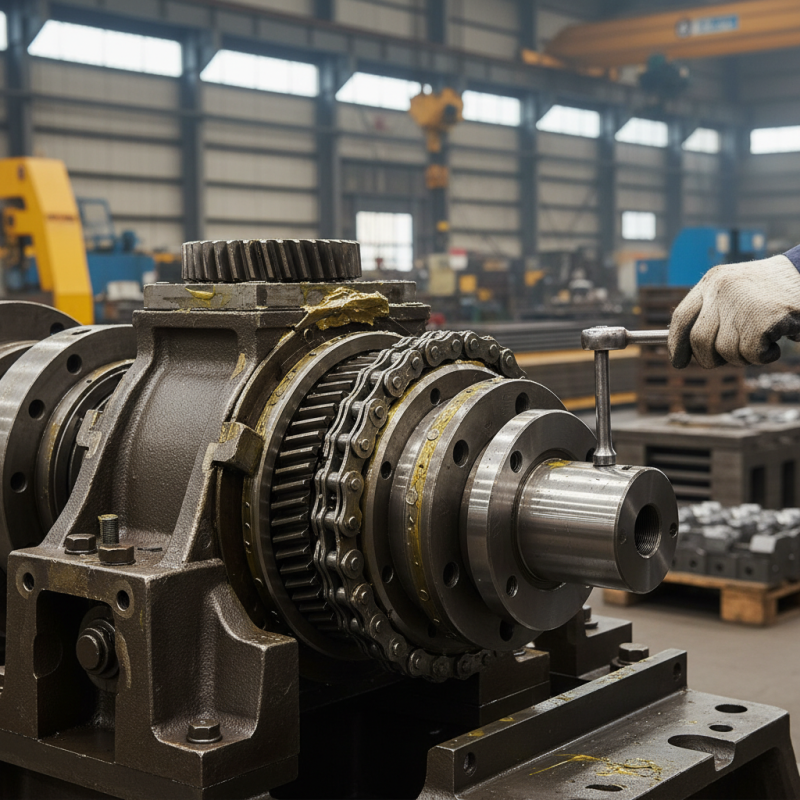
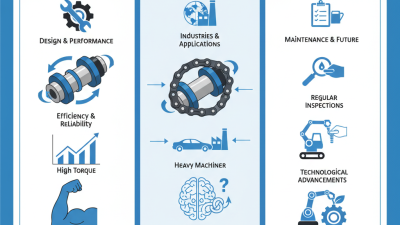
A Box Chain Coupling Machine is a pivotal component in many industrial applications. This machine connects two shafts and allows for some misalignment while transmitting torque. They are essential in environments where machinery experiences vibration and movement. Industry reports indicate that a well-optimized coupling can increase equipment life by up to 30%.
Understanding the mechanics behind these machines is vital for maintenance and efficiency. Regular inspections are recommended. Check for wear on the coupling elements. A worn coupling can lead to unexpected downtime. Use vibration analysis as a diagnostic tool. This technique can identify issues before they become severe.
It’s also important to select the right type of box chain coupling for your application. Different sizes and materials can affect performance and longevity. A mismatch can lead to excessive wear or failure. Training staff on proper installation can prevent common mistakes. Even small errors can result in significant financial impacts.
Understanding Box Chain Coupling Machines: Key Performance Metrics
Key Components of Box Chain Coupling Systems
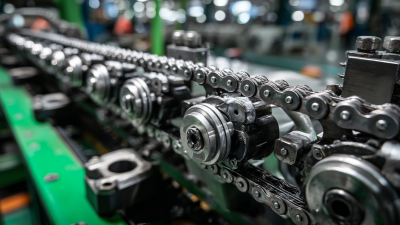
Understanding the key components of box chain coupling systems is crucial for effective machine operation. The box chain itself is a fundamental part, providing the necessary flexibility and alignment for various industrial applications. It connects the drive mechanism with the driven load, ensuring power is transmitted efficiently. Regular inspection of the chain for wear and elongation is vital. Neglect can lead to reduced performance and potential system failure.
Another essential component is the coupling mechanism. This part helps absorb shocks and misalignments, protecting the machinery from damage. It is important to choose a coupling that matches the specific application requirements. Misalignment can cause excessive wear, leading to costly repairs. It’s also important to regularly lubricate these components to ensure smooth operation. Inspection and maintenance routines can often highlight issues before they escalate into serious problems. While the components may seem straightforward, their interactions can lead to complex challenges. Understanding these intricacies can enhance operational reliability.
10 Essential Tips for Understanding Box Chain Coupling Machines - Key Components of Box Chain Coupling Systems
| Tip Number |
Tip Description |
Key Component |
Function |
| 1 |
Understand the basic structure of box chain coupling systems. |
Coupling Body |
Transmits torque and rotation. |
| 2 |
Identify the different types of box chains available. |
Box Chain |
Facilitates movement and supports loads. |
| 3 |
Learn about alignment and its importance. |
Alignment Tools |
Ensures smooth operation without wear. |
| 4 |
Utilize proper lubrication techniques. |
Lubrication System |
Reduces friction and wear on components. |
| 5 |
Regularly inspect key components for wear. |
Wear Indicators |
Alerts before failure occurs. |
| 6 |
Recognize the signs of coupling failure. |
Failure Detection Sensors |
Prevents unexpected downtimes. |
| 7 |
Understand load capacity and torque specifications. |
Torque Limiter |
Protects system from overload. |
| 8 |
Ensure proper installation techniques are followed. |
Installation Guides |
Reduces installation errors. |
| 9 |
Implement regular maintenance schedules. |
Maintenance Checklists |
Prolongs system lifespan. |
| 10 |
Stay updated on new technologies and improvements. |
Technology Reviews |
Enhances operational efficiency. |
Understanding the Mechanism of Power Transmission
Box chain coupling machines play a vital role in power transmission systems. Understanding their mechanism can help users optimize performance. These machines use chains to connect two shafts, ensuring synchronized rotation. Power transfer occurs through the engagement of links within the chain. This simple yet effective design minimizes energy loss during transmission.
When selecting a box chain coupling, consider several factors. Metrics such as load capacity and speed ratings matter. Engineers often face challenges in these choices, especially when specialized applications arise. The environment can also impact performance. Dust, moisture, or extreme temperatures may wear down the chains faster than expected. Regular maintenance is essential to extend the life of these couplings.
Users may encounter issues like misalignment or chain elongation. While these problems are often overlooked, they can lead to significant downtime. Assessing wear regularly can prevent sudden failures. Understanding the mechanism allows for better troubleshooting and timely interventions. Embracing a proactive maintenance approach is crucial in maximizing efficiency.
Common Applications of Box Chain Coupling Machines
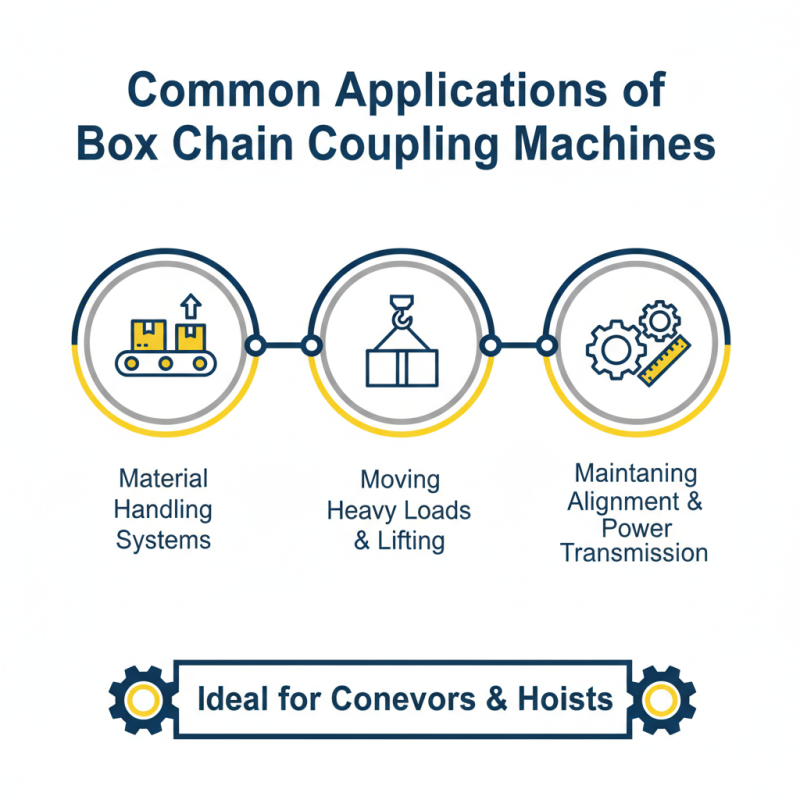
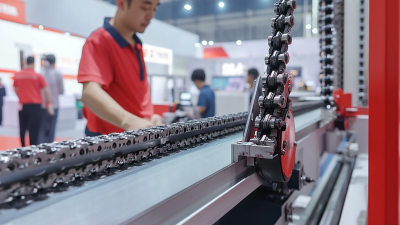
Box chain coupling machines play a crucial role in various industrial applications. They are commonly used in material handling systems. Many industries rely on these machines for tasks like moving heavy loads, lifting materials, and maintaining alignment. Their ability to transmit power efficiently makes them ideal for conveyors and hoists.
In the manufacturing sector, box chain coupling machines are utilized in assembly lines. They ensure precise movement and synchronization of components. This application improves productivity and reduces errors. Similarly, in the agricultural field, these machines are essential for farm equipment. They help in operation with minimal downtime, enhancing overall efficiency.
While their benefits are clear, challenges exist. Understanding the machine's specifications is key. Misalignment during installation can lead to failures. Regular maintenance is important for optimal performance. This machine requires skilled operators who can troubleshoot issues. Investing time in training can prevent future problems and enhance reliability.
Maintenance Tips for Optimal Performance of Coupling Machines
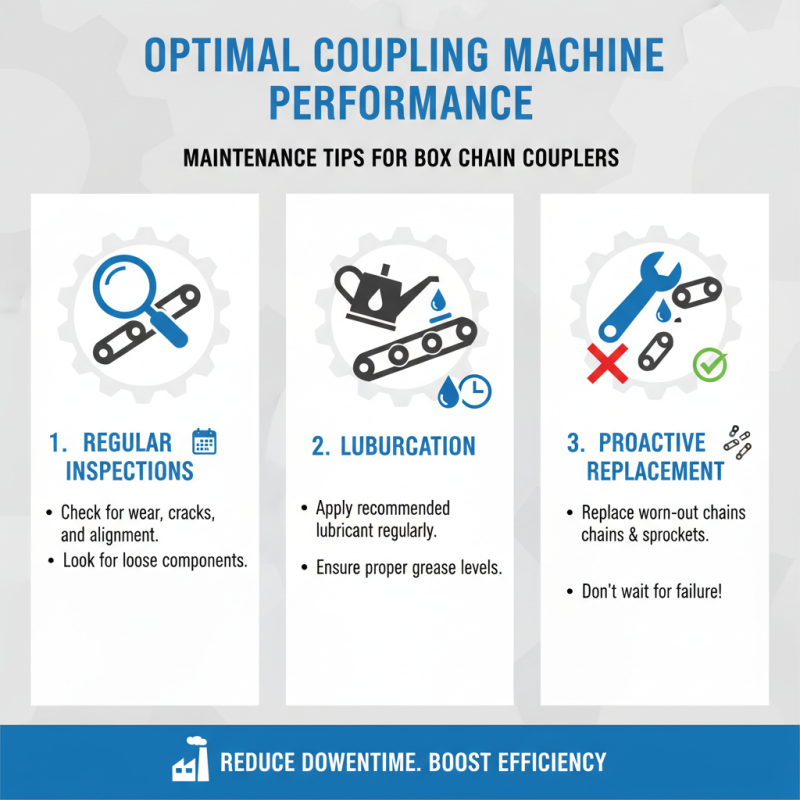
Maintaining box chain coupling machines is vital for optimal performance. These machines are integral in various industrial applications, yet they often face wear and tear. Regular maintenance can significantly reduce the risk of unexpected downtime, ensuring your operations run smoothly.
One crucial tip is to routinely inspect the coupling elements. Check for signs of wear or damage. Frayed components can lead to misalignment, causing additional strain on the machine. According to industry reports, improper maintenance can increase operational costs by up to 30%. Therefore, addressing minor issues quickly can result in substantial savings.
Another essential aspect is lubrication. Be mindful of the type and quantity of lubricant used. Insufficient lubrication leads to friction and overheating. Regularly scheduled lubrication checks can prevent these problems. Many industry experts recommend a lubrication frequency based on the machine's operational hours. It's often more effective to maintain lubrication than to deal with the aftermath of machinery failure.
Lastly, keep a detailed maintenance log. Documenting each service performed creates a reliable history of your machine's health. This practice not only aids in tracking performance trends but also assists in planning future maintenance effectively. Implementing these best practices will enhance the longevity and reliability of your box chain coupling machines.




 Lily
Lily Jason wong