What is an Electroforming Jewelry Machine and How Does it Work?
The world of jewelry-making has been revolutionized by technology. The Electroforming Jewelry Machine stands at the forefront of this transformation. This innovative device enables artisans to create intricate designs with precision and efficiency.
Electroforming involves the process of depositing metal onto a non-conductive surface. The Electroforming Jewelry Machine excels in this method, allowing creators to coat objects, forming gorgeous and durable jewelry. Many jewelers appreciate its ability to produce lightweight pieces that maintain strength.
However, mastering the use of an Electroforming Jewelry Machine requires practice and skill. Mistakes can lead to uneven coatings or undesirable finishes. Jewelers often reflect on their initial experiences and share tips for improvement. The journey is filled with learning opportunities, making the relationship with this machine both challenging and rewarding.
Understanding Electroforming in Jewelry Making
Electroforming is a fascinating technique in jewelry making, offering artists an innovative way to create intricate designs. This process involves depositing metal onto a non-metallic form using an electrolytic solution. According to a report by the Jewelry Industry Research Institute, electroforming has gained popularity over the years, accounting for nearly 30% of the handmade jewelry market. This method allows for the production of lightweight jewelry pieces that maintain a high level of detail.
In practice, artists create a wax or polymer model of their design. The model is coated with a conductive material, allowing electricity to flow through it when submerged in an electrolyte solution. As current passes, metal ions deposit onto the form. The result is a hollow piece that is often more affordable than solid metal jewelry. However, mastering the technique can be challenging. It requires careful control of variables like temperature and current density to achieve desired outcomes.
Despite its advantages, electroforming isn't without limitations. Some artists find it difficult to achieve a uniform thickness across larger pieces. This inconsistency can affect structural integrity and aesthetics. Moreover, the process can be time-consuming, which is a factor for those producing high volumes of jewelry. As artists weigh these challenges, they continue to innovate and adapt within this unique field.
Components of an Electroforming Jewelry Machine
Electroforming jewelry machines are intricate tools used to create stunning metal pieces.
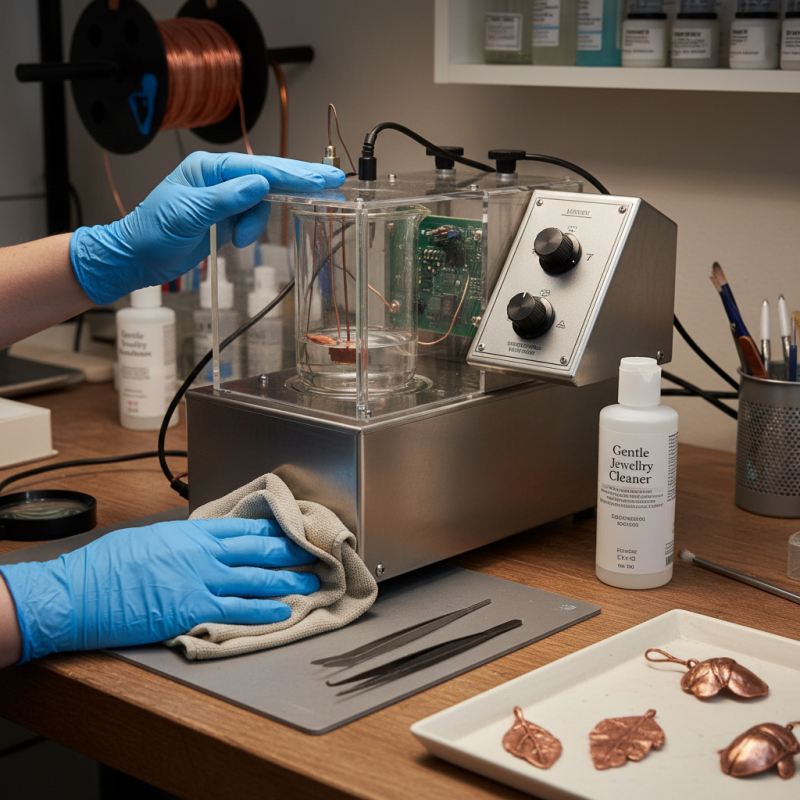
Understanding their components is essential for anyone interested in this craft. The heart of an electroforming machine is the electrolytic cell, where metal ions are deposited onto a conductive surface. A power supply is attached to the cell, providing the necessary current for the process. This connection enables the transfer of metal, typically copper or gold, onto the object being coated.
Another critical component is the tank, which holds the electrolyte solution. This solution usually contains metal salts, allowing the electroforming process to occur. The temperature and chemical balance of the solution must be monitored closely. Failure to do so can lead to inconsistent thickness and quality of the metal coating. Additionally, a filtration system is often necessary to keep the solution clean and free of debris, which can inadvertently impact the final product's quality.
The machine’s control panel is crucial for adjusting settings. Precise control of voltage and current is vital for achieving desired results. Many users encounter challenges in finding the right balance, which may require multiple trials. This trial-and-error aspect can be frustrating but is part of the learning curve. Recognizing these complexities highlights the importance of patience and practice in mastering electroforming techniques.
The Electroforming Process: Step-by-Step
The electroforming process is a fascinating method in jewelry making that enables intricate designs. It involves several crucial steps for successful results. The process begins with creating a model, often made of a non-conductive material. This model is then coated with a conductive layer, generally achieved using a metallic paint or conductive adhesive.
Next, the model is submerged in an electroforming solution. This solution typically contains metal salts, such as copper or silver. An electric current passes through the solution, depositing a layer of metal onto the model. Reports indicate that over 85% of jewelers prefer copper for its affordability and ease of use. As the electroforming continues, a thicker metal layer forms, resulting in a durable and detailed piece.
Tips: Always ensure your workspace is clean. Contamination can lead to uneven deposits. Monitor the current carefully. Too much can cause irregularities in the final product. Take time to perfect the model's initial coating, as this significantly impacts the outcome. Adjustments during the process may seem challenging but are often necessary for achieving the desired result. Remember to keep a record of your settings. This habit can help refine your future electroforming projects.
What is an Electroforming Jewelry Machine and How Does it Work? - The Electroforming Process: Step-by-Step
| Step |
Description |
Duration |
Tools Required |
| 1 |
Design the jewelry piece |
1-2 hours |
Computer, 3D modeling software |
| 2 |
Create a master model |
3-5 hours |
3D printer, modeling tools |
| 3 |
Prepare the electroforming setup |
30 minutes |
Electroforming machine, copper solution |
| 4 |
Electroform the jewelry |
6-12 hours |
Electroforming machine |
| 5 |
Remove the piece and clean |
1 hour |
Cleaning tools, polishing cloth |
| 6 |
Finishing touches |
1-2 hours |
Polishing tools, paint |
Applications and Advantages of Electroforming in Jewelry
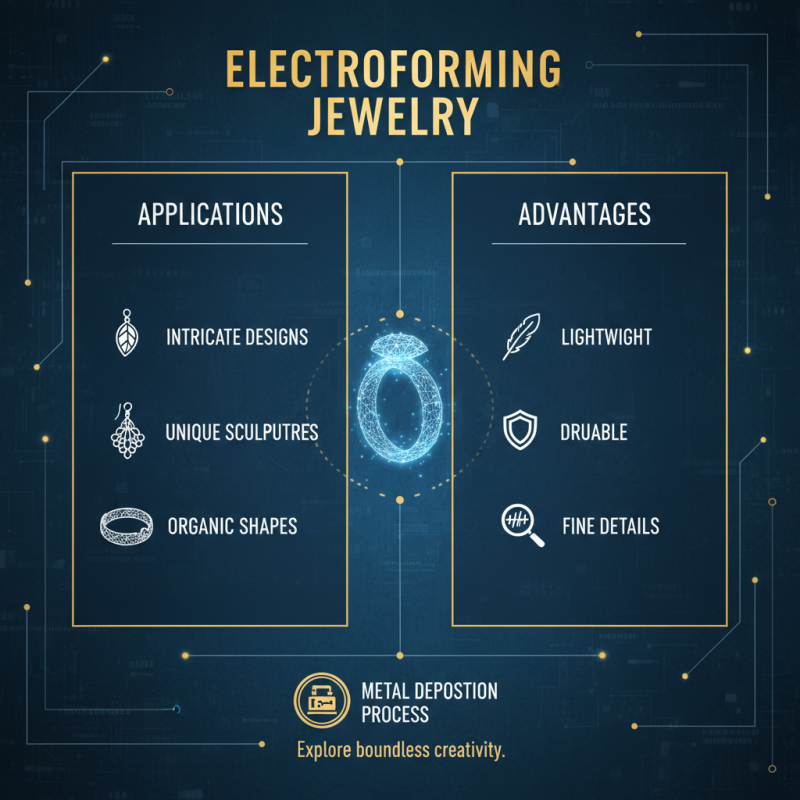
Electroforming is a unique technique in jewelry making, allowing artisans to create intricate designs. This method involves depositing metal onto a model, usually made of a non-conductive material. The electroforming jewelry machine uses electricity to form a metal layer, providing a lightweight yet durable piece. Artists appreciate the chance to explore fine details that traditional methods cannot achieve.
Applications of electroforming are diverse. Jewelers can create delicate filigree designs or even replicate organic shapes. This method allows for complex patterns without the weight of solid metals. Additionally, it enables the use of various materials, such as resin or ceramics, as the model. The versatility of electroforming makes it a favored choice for both custom and mass production. However, mastering this technique requires practice and precision. Mistakes in the process can lead to inconsistent quality or unexpected results, prompting jewelers to reflect on their methods.






 Lily
Lily Jason wong