How to Choose the Best Automatic Chain Hammer Machine?
Choosing the right Automatic Chain Hammer Machine is crucial for modern manufacturing. According to industry reports, the demand for these machines has surged by over 30% in recent years, reflecting their importance in various sectors. These machines enhance production efficiency and precision, making them indispensable.
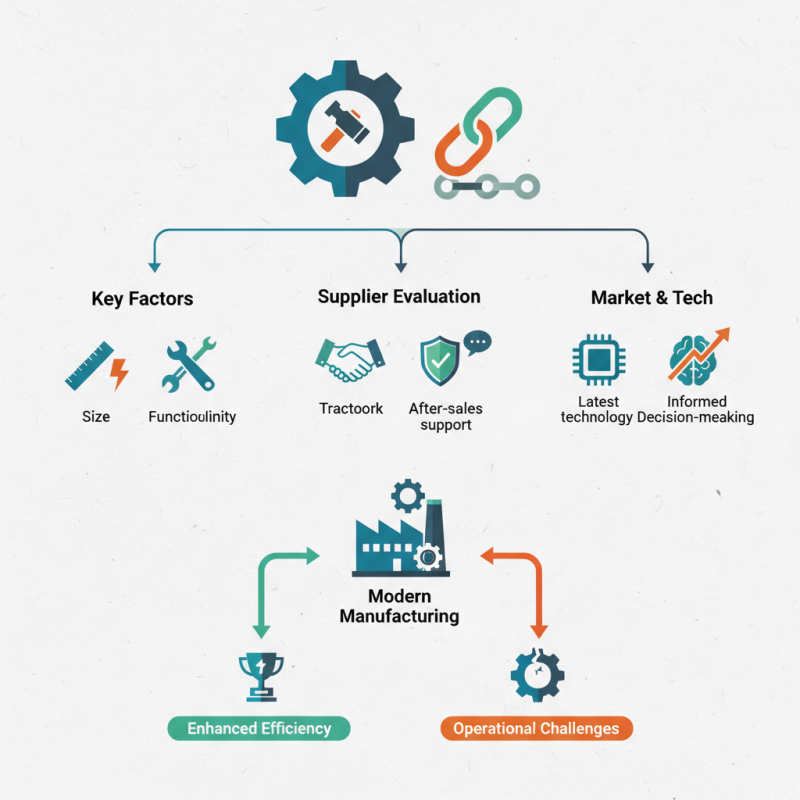
Selecting an Automatic Chain Hammer Machine requires careful consideration. Factors such as size, power, and functionality are paramount. Industry experts recommend evaluating potential suppliers based on their track record and after-sales support. Reliable machines help avoid production downtime. Yet, not all machines deliver the expected performance, indicating the need for thorough research.
In an evolving market, staying updated on the latest technology is essential. Emerging automation trends can significantly impact production quality. Yet, choosing incorrectly can lead to operational challenges. Therefore, understanding the features and capabilities of different models becomes crucial for informed decision-making.
Understanding the Basics of Automatic Chain Hammer Machines
When choosing an automatic chain hammer machine, understanding its fundamentals is critical. These machines operate by utilizing a motor-driven hammer action to shape or assemble components efficiently. According to a report by the International Journal of Advanced Manufacturing Technology, automation in manufacturing can increase efficiency by up to 30%, significantly reducing operational costs. This underscores why selecting the right machine is vital for industries seeking growth.
Automatic chain hammer machines vary in design and capability. Key specifications to consider include operating speed, hammer weight, and energy consumption. Some models offer variable speed settings, which can enhance versatility for different tasks. For example, a study by the American Society of Mechanical Engineers suggests that machines with adjustable hammer functions can help reduce material waste by 15%. However, complexities arise with maintenance and troubleshooting; improper handling can lead to increased downtime and repair costs.
Another aspect to evaluate is user interface and control. Intuitive designs can improve operator efficiency but may require training programs to minimize errors. Interestingly, research from the Manufacturing Institute highlights that 40% of equipment failures are due to user error. This demonstrates the importance of operator education on machine features and best practices. Eventually, while technology advances, understanding and managing these machines will remain a challenge for many operators.
How to Choose the Best Automatic Chain Hammer Machine?
| Feature |
Description |
Importance Level |
Average Price (USD) |
| Material Handling |
Compatibility with different materials like steel, aluminum, etc. |
High |
5,000 |
| Power Consumption |
Efficiency and energy usage of the machine. |
Medium |
3,500 |
| Hammer Force |
Measurement of the impact force produced. |
High |
6,000 |
| Cycle Time |
Speed at which the machine operates. |
High |
4,000 |
| Safety Features |
Emergency stops, guards, and sensors. |
Essential |
7,000 |
| Maintenance Requirements |
Frequency and difficulty of necessary upkeep. |
Medium |
3,000 |
Key Features to Consider When Choosing a Machine
When selecting an automatic chain hammer machine, consider several key features. One important aspect is the machine’s build quality. A sturdy frame ensures durability and reliability. It’s essential that the machine can withstand the rigors of heavy use. Look for solid components that won’t wear down quickly. This can reduce long-term maintenance costs.
Another critical feature is the machine’s speed and efficiency. Fast operation can significantly boost productivity. However, be cautious; too much speed may compromise quality. A balance is necessary. Furthermore, consider the ease of operation. User-friendly controls can minimize training time for staff. Seek machines with clear indicators to monitor performance.
Finally, pay attention to safety features. Automatic chain hammer machines should have safeguards to prevent accidents. A reliable emergency stop mechanism is crucial. Reflect on these aspects when making your decision. Each consideration can impact not just performance, but also the overall safety of the workspace. Your choice today can influence operational efficiency for years to come.
Evaluating Different Brands and Models Available in the Market
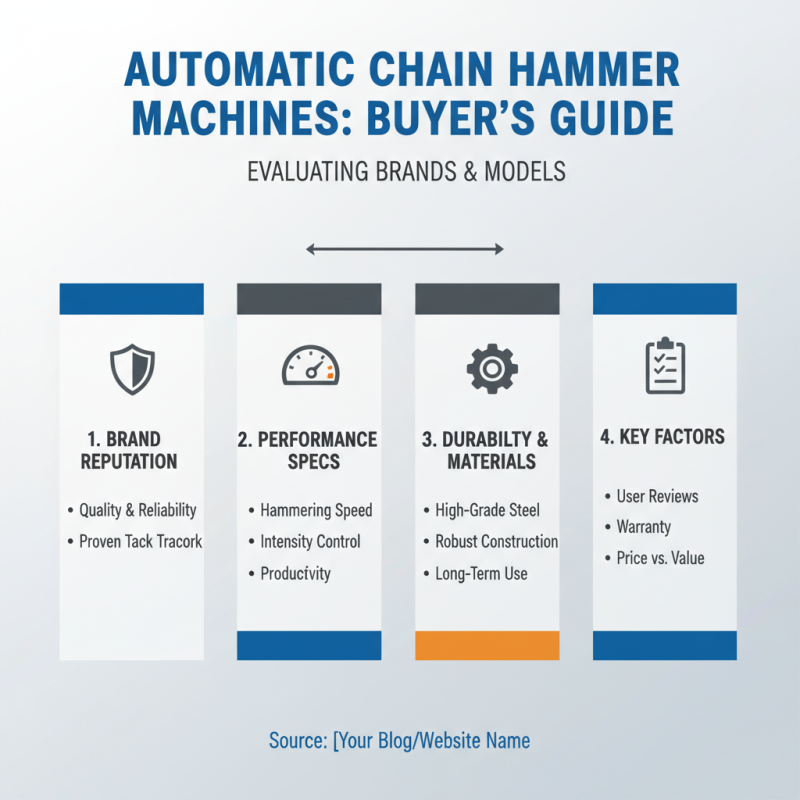
When evaluating different brands and models of automatic chain hammer machines, several factors come into play. A reputable brand often reflects quality and reliability. Look for specifications like hammering speed and intensity. These details affect productivity directly. Check the durability of the materials used in construction. Machines made from high-grade steel can withstand rigorous use over time.
User reviews are invaluable. They offer real-world insights into performance and durability. Some users might report issues, like frequent malfunctions. Pay attention to these experiences. This feedback can help you make informed decisions. However, consider that every machine may have weaknesses. It’s crucial to weigh the pros and cons.
Finally, consider the availability of customer support. Efficient service can enhance your experience, especially during malfunctions. Some brands may have extensive online resources. Others may lack responsiveness. Researching after-sales services is essential. An effective machine serves only as good as the support behind it. Balancing these aspects is key to making the right choice.
Assessing Your Production Needs and Machine Specs
When selecting an automatic chain hammer machine, evaluating production needs is essential. The type of project directly impacts machine specifications. For instance, a 2020 report from the Manufacturing Institute indicates that 45% of manufacturers reported increased production demand. This uptick emphasizes the importance of knowing which specifications cater to efficiency. Key features like hammer frequency and cycle time must align with your production goals.
Consider the material you will be working with. Different materials require various machine settings. A survey found that 70% of machine operators prioritize adaptability in their selection process. This adaptability ensures that the machine can handle diverse tasks without compromising performance. Effective selection involves not just evaluating immediate needs but anticipating future requirements as well.
It’s also necessary to assess energy efficiency. Machines that consume less energy can lead to significant savings over time. According to a study from the Industrial Energy Consumption Analysis, energy-efficient machines can reduce operational costs by up to 30%. Still, while focusing on specs, don’t overlook the importance of machine maintenance. Regular upkeep is crucial and often neglected, affecting long-term reliability. Consider how all these factors interact when choosing your machine.
Maintenance and Support Factors for Long-Term Use
Choosing an automatic chain hammer machine involves careful consideration of maintenance and support factors. Regular maintenance is crucial for optimal performance. Ensure that you keep the machine clean and lubricated. Dust and debris can affect its lifespan. Inspecting regularly for wear and tear is essential. This habit can prevent costly repairs down the line.
Support factors also play a significant role in long-term use. Access to technical assistance is vital. Understand the warranty details when purchasing. A good warranty can save you money. It’s also wise to evaluate the availability of replacement parts. Machines can malfunction, and knowing you can get parts easily is reassuring.
Think about the maintenance training you may need. Not everyone is familiar with automatic machinery. Having a knowledgeable team or resources can help. Learning from experienced users can provide valuable insights. Don’t ignore feedback from current users; they can offer practical solutions. Always be prepared for unexpected issues and consider a proactive maintenance approach.





 Lily
Lily Jason wong