Why Choose an Automatic Jewelry Making Machine for Your Business?
In the competitive world of jewelry making, efficiency and precision are paramount. An Automatic Jewelry Making Machine can transform your production process. With advanced technology, these machines streamline operations, allowing businesses to meet rising demand. They reduce manual labor, which minimizes errors and speeds up production times significantly.
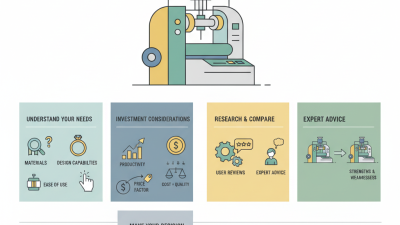
Investing in an Automatic Jewelry Making Machine can seem daunting, yet the potential benefits are worth considering. These machines can create intricate designs consistently, offering unmatched quality. However, it's crucial to choose the right machine that fits your specific needs.
Many businesses overlook this important step. Taking the time to understand your requirements and weighing options can lead to better investment choices. Embracing technology is not without challenges, but the rewards often justify the effort. An Automatic Jewelry Making Machine represents a commitment to quality and innovation in your craft.
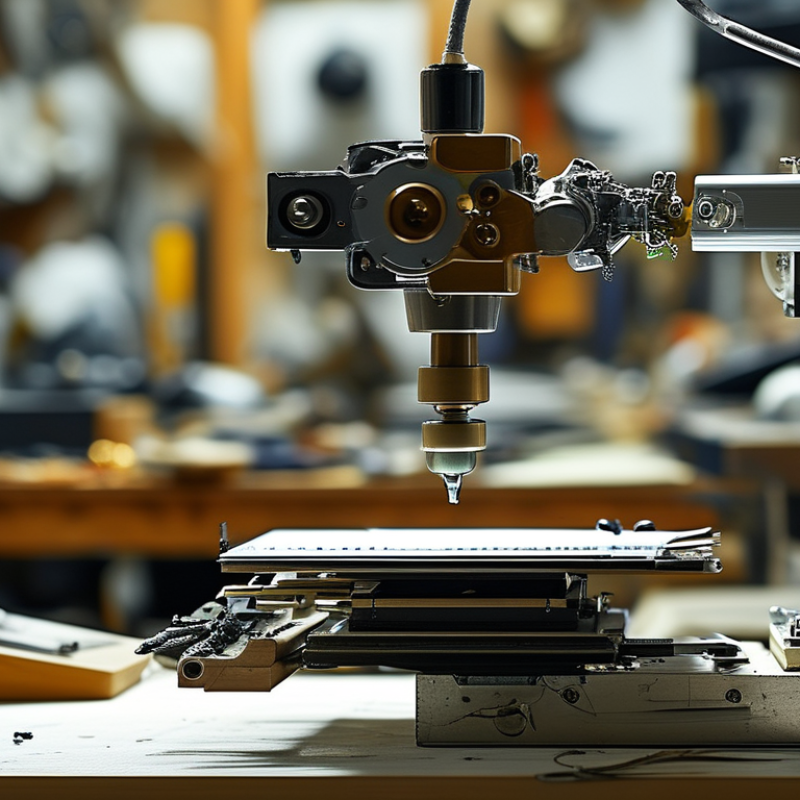
Benefits of Using Automatic Jewelry Making Machines in Production
Automatic jewelry making machines offer significant advantages for businesses in the jewelry industry. According to a recent report, automation can increase production speed by up to 40%. This allows manufacturers to meet growing consumer demand without sacrificing quality. Machines can produce intricate designs with precision, reducing the likelihood of human error. Each piece can be replicated consistently, ensuring uniformity across batches.
Using automatic machines also leads to cost savings in the long run. Studies indicate that labor costs can decrease by 30% when using automated processes. However, initial investments can be high, requiring thorough financial planning. An analysis shows that businesses that remain competitive tend to invest in technology, even if it requires upfront capital. Yet, some companies hesitate, fearing a loss of craftsmanship.
Moreover, the shift to automation can present challenges. Workers may need retraining to adapt to new technologies. This can lead to a temporary dip in productivity as employees adjust. Yet, embracing this change can position a business ahead of its competitors. The market demands efficiency, and those resisting automation might find themselves at a disadvantage. Balancing technology and traditional methods is crucial for sustainable growth.
Comparison of Manual vs. Automatic Jewelry Making Processes
The jewelry making industry is evolving rapidly. Manual processes often involve intricate handwork, requiring skilled artisans. These methods preserve tradition but come with limitations. According to a recent industry report, manual processes can be 40% slower compared to automated systems. This slower pace can lead to higher labor costs and increased time to market.
Automatic jewelry making machines streamline production. They reduce human error and enhance precision. Studies reveal that automated machines can produce pieces up to three times faster than manual methods. This efficiency often results in more consistent quality. Moreover, automation can lower costs over time. It enables businesses to scale production while maintaining high standards.
Tips: Consider integrating both processes. A hybrid approach can utilize manual craftsmanship for unique pieces while using automation for larger batches. Evaluate your production needs regularly. Understand that not every piece requires automation; some designs benefit from handcrafted touches. Always keep an eye on customer preferences and market trends to adapt your methods accordingly.
Cost Efficiency: Saving Time and Resources with Automation
In the competitive world of jewelry making, cost efficiency is a crucial factor. An automatic jewelry making machine can significantly streamline production processes. By automating tasks, businesses can reduce the time spent on manual labor. This switch not only leads to faster output but also lowers the risk of errors. Mistakes in jewelry production can be costly, both in terms of materials and reputation.
Additionally, these machines require less oversight. Fewer employees are needed for repetitive tasks. This allows skilled artisans to focus on design and quality control. Staff can work on innovation rather than mundane tasks. However, it is vital to consider the upfront investment. Some may hesitate due to initial costs. This uncertainty often leads to reflection on whether automation is worthwhile. Yet, in the long run, the savings on labor and materials can far outweigh these costs.
Moreover, using automatic machines can optimize resource usage. They are designed to minimize waste, leading to both environmental and economic benefits. Businesses that adopt these machines might discover hidden inefficiencies in their current processes. Though the transition could seem daunting, the potential rewards are significant. Engaging with automation might not be an instant success, but it paves the way for future growth and sustainability.
Enhancing Precision and Quality in Jewelry Manufacturing
In today's competitive jewelry market, precision is essential. Automatic jewelry making machines enhance the accuracy of designs, reducing human error. A report from the International Gem Society indicates that precision in gem placement can increase product quality by up to 30%. This improvement in quality drives customer satisfaction and enhances brand reputation.
Moreover, these machines streamline production processes. They can produce intricate designs consistently without fatigue. The Demand for advanced technology in jewelry manufacturing is clear, as R&D investments have risen by 15% in recent years, according to industry analysts. However, businesses must consider that relying solely on automation can lead to a loss of artistic touch. Balancing machine efficiency with human creativity remains a challenge.
Despite the advantages, transitioning to automatic systems may involve a learning curve. Staff training is crucial to maximize these machines' potential. Many businesses face difficulties in adapting to new workflows. Therefore, investing in a good training program is as important as the machines themselves. The jewelry industry thrives on both innovation and tradition, making this balance a delicate one.
Impact of Automatic Jewelry Making Machines on Manufacturing Efficiency
Scalability and Flexibility in Business Growth with Automation
Investing in an automatic jewelry making machine can transform your business. It provides scalability and flexibility, essential for growth in today’s competitive market. Automation allows you to efficiently cater to increasing demand. You can produce intricate designs faster than manual methods allow, which is crucial as trends shift quickly.
Yet, it’s not without challenges. Transitioning to automation might require initial adjustments. Some staff may need retraining or might feel uneasy about machines replacing manual tasks. Regular maintenance is vital to ensure ongoing efficiency.
Tips for a seamless transition: Start with a small scale. Gradually integrate machines into your workflow to mitigate disruption. Always seek feedback from your team after implementing changes. Encourage open communication to address concerns. This way, your automation journey will foster growth and enhance creativity in your jewelry designs.



 Lily
Lily Jason wong