China Top Automatic Jewelry Tools for Global Buyers?
China has become a major source of Automatic Jewelry Tools for workshops, factories, and international distributors. Buyers can find polishing machines, casting equipment, stone-setting systems, laser welders, and precision forming tools. The range is impressive. The quality is not always uniform.
Charles Lewton-Brain, a respected jewelry educator and toolmaking specialist, offers a useful principle: “Good tools do not replace judgment; they make consistent judgment easier.” This idea matters when evaluating Chinese suppliers. A reliable machine should produce clean edges, stable pressure, repeatable settings, and less material waste. It should also include clear specifications, safety instructions, spare parts, and responsive technical support.
Global buyers often inspect motor power, operating speed, voltage compatibility, noise levels, and maintenance requirements. They should request videos of real production tests, not only polished catalog images. A sample ring can reveal vibration, uneven finishing, or excessive heat within minutes. Factory audits and independent inspections add confidence. Still, no checklist removes every risk.
Some buyers focus too heavily on the lowest quotation. That approach can become expensive after installation. Training may be limited. Replacement parts may arrive slowly. Language barriers can complicate troubleshooting. These weaknesses deserve honest attention.
The best sourcing decision balances price, workmanship, certification, delivery capability, and long-term service. Buyers should compare several suppliers and document every technical promise. Automatic Jewelry Tools can improve productivity, but only when operators understand their limits. Automation helps. Judgment remains essential.
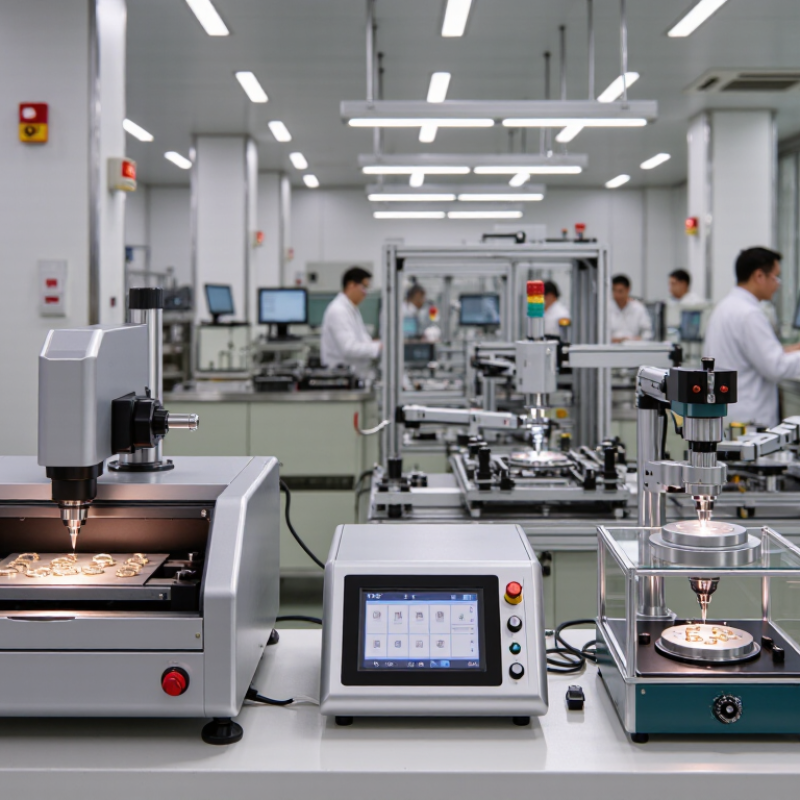
What Automatic Jewelry Tools Are and Why China Is a Major Supplier
Automatic jewelry tools are machines that perform repeated production tasks with programmed control. They include CNC wax mills, automatic casting systems, laser welders, polishing units, and computer-guided setting equipment. Sensors and software help control dimensions, heat, pressure, and cycle time. Skilled technicians still inspect surfaces and stone alignment.
Demand follows jewelry production volume. The World Gold Council reported approximately 2,092 tonnes of global gold jewelry consumption in 2023. Grand View Research estimated the global jewelry market at about 353 billion US dollars in 2023. These figures encourage workshops to reduce manual repetition and improve consistency. A small workshop may use automatic wax milling for identical rings, while larger facilities connect casting, finishing, and inspection stations.
China is a major supplier because its manufacturing network combines machine components, electronics, metal processing, and export logistics. UN Comtrade data consistently places China among the leading exporters of relevant machine-tool categories. Buyers can often request customized voltage, molds, software interfaces, and training. That flexibility matters. However, lower purchase price does not always mean lower production cost. Maintenance access, spare-part availability, calibration records, and operator training deserve equal attention. Automation is not magic. A poorly calibrated polishing unit can repeat the same defect hundreds of times. Specifications may also look impressive but remain difficult to verify. Trial samples, factory audits, and documented acceptance tests provide stronger evidence than catalog claims.
Key Categories of Automatic Jewelry Tools Available from China
Automatic jewelry tools from China cover several practical categories for workshops and production lines. Chain-making machines form consistent links, while wire-bending equipment creates repeated loops, hooks, and frames. These systems help reduce hand fatigue and stabilize dimensions during larger orders. Small differences still matter. A 0.1-millimeter error can affect clasp alignment or stone placement. Buyers should check material compatibility, output speed, tooling changes, and available safety guards before comparing prices.
Other key categories include automatic casting equipment, polishing machines, laser welding systems, and stone-setting tools. Casting units require attention to temperature control, vacuum performance, and mold handling. Polishing machines need adjustable speed and suitable media for gold, silver, or harder alloys. Laser welding tools can support precise repairs and fine assemblies, but operators need documented training and protective procedures. Automatic setting equipment improves repetition, yet delicate stones may still require skilled inspection.
Experienced buyers usually request sample production, maintenance schedules, electrical specifications, and spare-parts lists. They also verify installation support and export documentation for their destination. A clear trial exposes vibration, noise, software limits, and cleaning effort. Do not trust photographs alone. I have seen efficient machines lose value when changeover takes too long. The cheaper option may become expensive after downtime. China offers broad customization, but specifications must be written precisely. Even a well-built tool needs a capable operator and realistic production planning.
This chart compares key categories of automatic jewelry tools commonly sourced from China by the number of major production stages they can automate. The figures are indicative process benchmarks based on typical equipment configurations and are not company or brand data.
How to Compare Chinese Manufacturers and Product Quality
Comparing Chinese manufacturers of automatic jewelry tools requires more than checking prices or factory photos. A polished website proves little. I have learned to compare production records, test methods, and after-sales response together. Ask for measurable data on speed, accuracy, power use, and maintenance intervals. Small details matter.
Request identical samples from several suppliers and test them under the same conditions. Check engraving depth, polishing consistency, noise, heat, and cycle repeatability. Use calibrated calipers and a simple inspection checklist.
Ask whether operators receive training and whether machines include clear adjustment instructions. Observe how the factory controls incoming materials, assembly, and final inspection. A clean showroom helps, but it is not proof of quality.
Reliable manufacturers should provide batch numbers, inspection reports, and practical warranty terms. Verify any claimed certifications with the issuing organization and confirm their relevance to your destination market. Ask how replacement parts are identified and delivered.
I once favored a lower quotation without checking service response times. That mistake delayed production and increased costs. A second audit may feel excessive, yet it can reveal weak calibration or inconsistent components. Leave room for independent pre-shipment testing, even when the supplier appears experienced.
Pricing, Certifications, Customization, and Shipping Considerations
China Top Automatic Jewelry Tools for Global Buyers?
For global buyers, pricing should start with total landed cost, not the factory quotation. Add tooling, calibration, installation, spare parts, insurance, duties, and operator training. A low quote can still be expensive. UNCTAD reports that over 80% of world trade volume moves by sea, so freight delays can affect production schedules. Request a firm Incoterm, packing dimensions, lead time, and a written warranty. I would also compare energy use per operating hour. Many buyers forget this detail.
Certification needs destination-specific review. Ask for valid test reports, declarations of conformity, electrical safety records, and material documentation. CE marking may apply to machinery entering the European Economic Area, while other markets may require different approvals. ISO’s 2023 Survey recorded more than 1.2 million ISO 9001 certificates worldwide, but certification alone does not prove cutting accuracy or long-term reliability. Require sample testing, inspection videos, and traceable serial numbers. Documentation can be imperfect. Verify it.
Customization should be practical. Confirm mold compatibility, software language, voltage, interface, and production speed before signing. A modified feeder may change maintenance needs. Ask for a digital drawing and acceptance criteria. For shipping, protect delicate sensors with shock indicators, moisture barriers, and reinforced crates. The World Bank’s 2023 Logistics Performance Index evaluates customs, infrastructure, service quality, and delivery timeliness. Use those factors when selecting routes and forwarders. A beautiful machine is not enough. It must arrive usable.
How Global Buyers Can Select, Purchase, and Maintain the Right Tools
Selecting automatic jewelry tools starts with the workpiece, not the catalogue. Define metal types, stone sizes, production volume, tolerance, and operator skill. A polishing unit for gold may behave differently with platinum or delicate settings. Ask for sample results using your own materials. Inspect edge quality under magnification, measure repeatability, and record cycle time. In practical evaluations, small pressure changes can affect the final surface. Attractive specifications can be misleading.
Before ordering, compare spindle speed, clamping range, noise, dust control, software compatibility, and spare-part availability. Request a written quotation with delivery terms, warranty limits, training, installation requirements, and export documents. Confirm voltage, frequency, plug type, and local certification needs. Choose a supplier that explains calibration procedures clearly. A remote video demonstration helps, but it cannot replace a test piece. Production conditions are rarely identical to a showroom.
Maintenance should begin before the first production shift. Clean abrasive dust from vents and sensors, inspect belts and fixtures, and lubricate approved points only. Keep a log of errors, part changes, calibration dates, and unusual vibration. Stop the machine when guards, cables, or emergency controls show damage. Replace consumables before surface quality declines. Some buyers underestimate ventilation and workspace lighting. I did too in an early evaluation. Better results came after adding a simple inspection checklist and allowing extra setup time. Reliable output depends on habits as much as automation.






 Lily
 Jason wong