Choosing the right Electroforming Jewelry Machine can shape an entire studio’s workflow. It affects surface detail, production speed, maintenance, and daily confidence. A small pendant may require steady current, clean solution, and hours of patient plating. A larger botanical form demands stronger support and better monitoring.
Jewelry artist and educator Lisa Pavelka has said, “The process is as important as the result.” That principle matters here. A machine may promise fast results, yet poor controls can leave rough edges, weak deposits, or uneven color. Real experience often reveals the difference.
This guide examines the 10 Best Electroforming Jewelry Machines in 2026. It considers current stability, tank capacity, safety features, ease of use, and value for different skill levels. Some models suit beginners with limited bench space. Others target experienced makers handling repeated production.
Not every choice is perfect.
Testing conditions can change results. Copper solution, anode placement, cleaning habits, and temperature all influence the final finish. I have also found that advertised power ratings do not always explain practical performance. A quiet machine with precise controls may outperform a larger unit in a small workshop.
The recommendations ahead aim to make that comparison clearer. They focus on dependable operation, visible results, and sensible long-term use. Expect useful distinctions, not exaggerated promises.
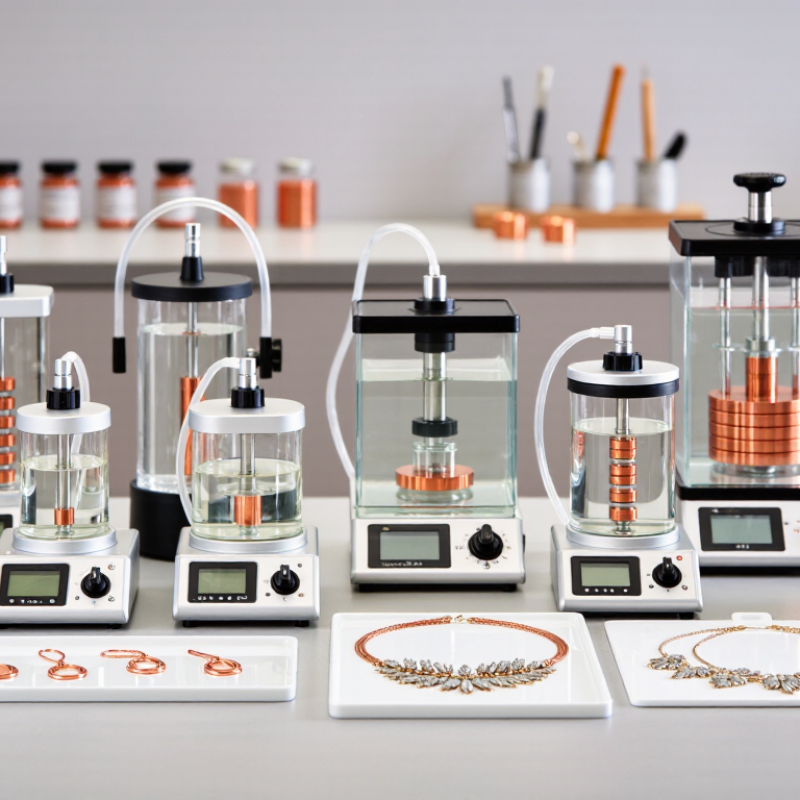
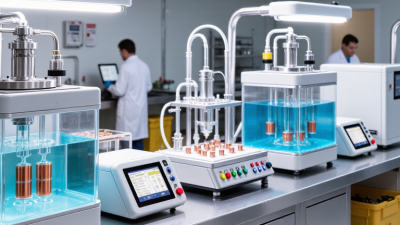
Electroforming jewelry machines usually operate between 3 and 12 V DC, with output from 0.1 to 5 A. Voltage pushes ions through the electrolyte, while amperage controls the available deposition rate. It is not a simple “more power, faster jewelry” equation. Surface area matters more than many beginners expect. A small pendant may need only 0.2–0.6 A, while a larger coated form can require several amps. Practical bench work also shows that stable current produces smoother metal growth than sudden adjustments. I still occasionally chase the voltage when the real problem is poor conductive paint.
The machine’s negative lead connects to the prepared object, and the positive lead connects to a compatible anode. A digital ammeter helps maintain repeatable settings during long plating cycles. The World Gold Council’s Gold Demand Trends 2024 reported 2,092 tonnes of global gold jewelry demand, showing the scale of finishing work behind decorative metal products. Grand View Research’s 2024 jewelry market analysis also estimated the global market at more than 350 billion dollars in 2023. These figures do not prove that higher current creates better pieces. They underline the need for controlled, repeatable equipment. ASTM B571 adhesion-testing guidance is useful when checking whether a deposited layer stays attached. Thickness can still vary around corners, stems, and hidden surfaces. That unevenness deserves inspection, not optimistic assumptions.
Electroforming jewelry machines commonly operate within a low-voltage DC range of 3–12 V and a current range of 0.1–5 A. The chart compares the stated minimum and maximum output values for each electrical parameter.
Choosing among electroforming jewelry machines starts with the power system, not the tank size. A rectifier controls voltage, amperage, and polarity. That control affects deposit thickness and surface texture. For small pendants, a stable 0–5 amp unit often provides enough adjustment. Ten-amp models suit heavier copper buildup or several pieces together. They also punish careless settings.
Plating stations combine the rectifier, tank, heater, filtration, and work supports. They save bench space and reduce setup mistakes. However, integrated layouts can limit future upgrades. A 1–3 liter system fits earrings, charms, and test batches. A 5–10 liter system handles larger forms and more consistent production. Keep anode spacing even. Measure the bath temperature, current, and processing time every run.
Grand View Research estimated the global electroplating market at about USD 19.4 billion in 2023, with roughly 4.5% annual growth through 2030. That growth supports wider equipment choices, but forecasts are not purchasing advice. Small systems usually waste less solution during experiments. Larger tanks offer steadier chemistry, yet they demand stronger ventilation and more disciplined maintenance. In practice, I still over-specify machines sometimes. A compact rectifier can outperform a crowded station when records are clear. The awkward variable is operator technique.
The comparison below uses generic machine categories rather than company or brand data. Specifications are representative ranges for jewelry electroforming and small-batch plating setups; actual performance depends on solution chemistry, anode area, cathode surface area, temperature, and current density.
| Rank | Machine Type | Recommended Working Volume | Output Range | Typical Power | Control Method | Best Use | Advantages and Limitations |
|---|---|---|---|---|---|---|---|
| 1 | Precision Programmable Rectifier | 0.5–3 L external tank | 0–15 V 0–20 A |
250–350 W | Digital voltage/current setting with constant-current mode | Repeatable jewelry production and controlled copper deposition |
Best control
High repeatability More expensive than basic rectifiers; requires correct current-density settings and properly sized cables. |
| 2 | Low-Current Laboratory Rectifier | 0.2–1 L tank | 0–15 V 0–5 A |
75–100 W | Fine analog or digital adjustment | Small pendants, leaves, charms, and individual test pieces |
Compact
Efficient Offers good control for small surface areas but can be undersized for multiple large pieces or high-resistance connections. |
| 3 | Bench Rectifier with Constant-Current Mode | 0.5–2 L tank | 0–30 V 0–10 A |
200–300 W | Selectable constant-voltage and constant-current operation | General-purpose studio work and varied jewelry sizes |
Versatile
Good value Provides useful headroom for difficult contacts, but a higher maximum voltage does not automatically improve deposition quality. |
| 4 | Dual-Output Rectifier | Two tanks of 0.5–2 L each | Each channel: 0–15 V 0–5 A |
150–250 W total | Independent voltage/current controls | Running two compatible processes or separate workpieces at once |
Multi-process
Space-saving Improves workflow efficiency, although each channel normally has less capacity than a dedicated high-current unit. |
| 5 | Manual Plating Station | 1–3 L tank | 0–15 V 0–10 A |
150–250 W | Integrated rectifier, timer, tank supports, and work leads | Beginners and organized bench-top jewelry workflows |
All-in-one
Easy setup Reduces setup time and cable clutter, but integrated tanks and accessories may be less flexible than modular equipment. |
| 6 | Filtered Recirculating Plating Station | 2–5 L tank | 0–15 V 0–20 A |
300–450 W | Digital rectifier with pump, filtration, and flow control | Longer production runs and solutions that benefit from gentle circulation |
Cleaner solution
Production-ready Filtration and circulation can reduce suspended particles, but filters and pumps require regular cleaning and chemical compatibility checks. |
| 7 | 1-L Compact Electroforming System | Approximately 1 L | 0–12 V 0–5 A |
60–100 W | Simple voltage/current adjustment with a small dedicated tank | Home studios, demonstrations, prototypes, and low-volume work |
Small footprint
Low solution use Economical for small pieces, but the limited tank volume restricts object size, anode placement, and batch capacity. |
| 8 | 2-L Adjustable Tank System | Approximately 2 L | 0–15 V 0–10 A |
120–200 W | Digital readout with adjustable current limit | Regular artisan production and mixed-size jewelry batches |
Balanced capacity
Flexible A practical compromise between solution consumption and working space; large pieces may still need repositioning for even coverage. |
| 9 | 5-L Production Tank System | Approximately 5 L | 0–15 V 0–20 A |
250–400 W | Programmable rectifier with optional heating and circulation | Small workshops producing several pieces per cycle |
Higher throughput
Stable bath volume Better temperature and chemistry stability than very small tanks, but it uses more solution and needs a dedicated, well-organized work area. |
| 10 | 10-L Modular Electroforming and Plating System | Approximately 10 L | 0–24 V 0–30 A |
500–750 W | Programmable constant-current control with optional filtration, heating, and agitation | Small production departments, teaching laboratories, and larger decorative pieces |
Largest capacity
Scalable Supports larger loads and more stable bath conditions, but has the highest solution cost, electrical demand, maintenance needs, and ventilation requirements. |
10 Best Electroforming Jewelry Machines in 2026?
The strongest electroforming machines offer adjustable current density from 0.5 to 2.0 A/dm². This range suits delicate pendants, textured leaves, and small sculptural pieces. Digital control improves repeatability during long plating cycles. I can set a target value, monitor voltage changes, and record results for future batches. That matters when a piece has uneven edges or mixed surface areas. A stable rectifier also reduces rough deposits and weak corners. However, displayed values are not always perfect. I still verify settings with calculated surface area and careful observation.
Tips: Measure the exposed surface before plating. Start near 0.5 A/dm² for fragile details. Increase gradually when the deposit looks thin. Keep the electrolyte temperature consistent. Clean contacts matter more than many beginners expect. Record current, time, temperature, and visual changes.
A useful machine should respond smoothly when adjustments are made. Sudden jumps can mark the surface or waste conductive material. Look for clear digital readings, fine current adjustment, timer functions, and overload protection. Cooling performance is also important during repeated production. In my experience, convenience can hide errors, so I inspect the coating under magnification. A bright finish is not always a strong finish. Adhesion, thickness, and edge coverage deserve equal attention. Small test pieces remain essential, even with advanced digital control.
Choosing among the 10 best electroforming jewelry machines in 2026 should begin with safety, not appearance. A clean finish can still hide poor ventilation or unstable electrical control. Electroforming solutions may release irritating vapors, especially during heating, mixing, or prolonged operation. Use local exhaust ventilation that captures fumes near the tank. Do not rely on an open window. Keep the workspace dry, organized, and free from unrelated metal dust.
Personal protective equipment should match the chemicals and process. Wear chemical-resistant gloves, splash goggles, a protective apron, and closed footwear. A face shield adds protection during pouring or bath maintenance. Read each Safety Data Sheet carefully, because glove materials and respirator requirements can differ. I have learned that small spills are often underestimated. That habit needs correction. Label containers clearly, inspect cables, and keep emergency rinsing equipment accessible. Any machine with exposed terminals deserves extra caution.
Tips: Ask whether the machine supports controlled current, stable temperature, and easy cleaning. Request electrical test records and maintenance instructions. ASTM B605 may apply when electrodeposited tin-nickel coatings are part of the finished jewelry or components. It is not a universal machine-safety certification. Confirm the exact edition, coating scope, and test method with an accredited laboratory. A professional test report should identify coating thickness, adhesion, appearance, and sampling conditions. If a supplier uses “ASTM tested” without details, pause and ask better questions. Safety is not a decorative feature.
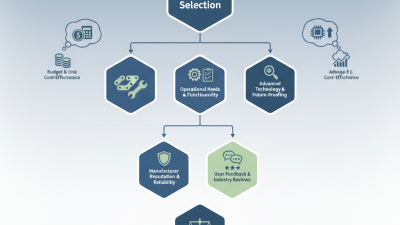
Ranking the 10 best electroforming jewelry machines in 2026 requires more than comparing purchase prices. The machines should be judged by cost, control, and repeatable results. A useful scoring model assigns 35% to process control, 30% to finish quality, 20% to ownership cost, and 15% to serviceability.
Cost includes the machine, rectifier, ventilation, tanks, chemicals, and replacement parts. Grand View Research estimates the global electroplating market will continue growing through 2030, with demand linked to tighter quality requirements. That trend supports investing in stable controls, not simply choosing the cheapest unit. Still, market forecasts are broad. They do not measure small jewelry workshops accurately.
Control should include adjustable current, voltage stability, timer accuracy, and readable displays. Results can be checked through coating thickness, surface coverage, edge detail, and defect rates. ASTM B487 provides a recognized method for measuring metallic coating thickness, making it useful for comparative testing. Test three identical pieces on each machine. Record cycle time, power use, and rework.
Small details matter. Uneven color means wasted labor. Weak connectors create inconsistent deposits. Poor ventilation can disrupt daily production. The International Energy Agency’s industrial efficiency reports repeatedly emphasize monitoring energy use and reducing process waste. That evidence supports ranking machines by operating cost, not only sticker price. My ranking would also deduct points for unclear manuals or difficult repairs. That may seem subjective. It is, but real workshop downtime is rarely captured in product specifications.