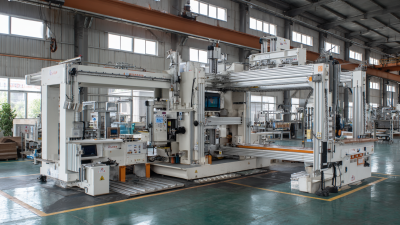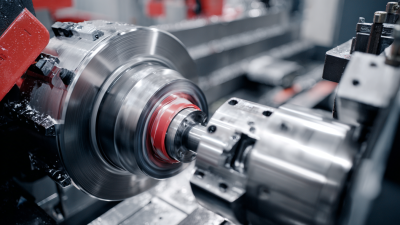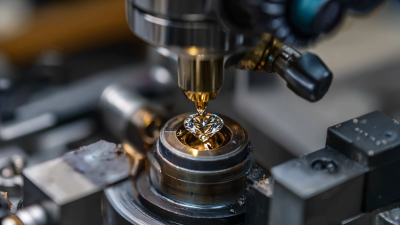
Choosing the right Automatic Stone Setting Machine requires more than comparing speed and price. Global buyers must examine precision, maintenance, operator training, and supplier reliability. A machine may promise thousands of settings per hour, yet real output depends on stone size, metal hardness, design complexity, and workforce experience. Practical testing matters.
This guide reviews leading automatic stone setting solutions for jewelry manufacturers, workshops, and industrial production teams. It considers setting accuracy, vibration control, feeding systems, software compatibility, tooling access, and after-sales support. Details matter. A loose feeder can interrupt production. Poor calibration can damage delicate gemstones or leave uneven settings. Strong machines should provide repeatable results while reducing manual strain and material waste.
No machine fits every factory.
Experienced buyers should request sample trials before signing an order. Ask suppliers to process your actual rings, pendants, or bracelet components. Measure cycle time, rejection rates, surface damage, and setup changes. Documentation should include safety instructions, electrical requirements, warranty terms, and spare-parts availability. Regional service coverage also affects long-term reliability.
Performance claims deserve verification.
This overview uses practical purchasing criteria rather than promotional language alone. It recognizes that automation can improve consistency, but it cannot replace skilled inspection. Some machines may perform well on standard patterns but struggle with unusual shapes or mixed stone sizes. That limitation deserves attention. By comparing capabilities honestly, buyers can select equipment that supports compliant, efficient, and sustainable production across different markets.
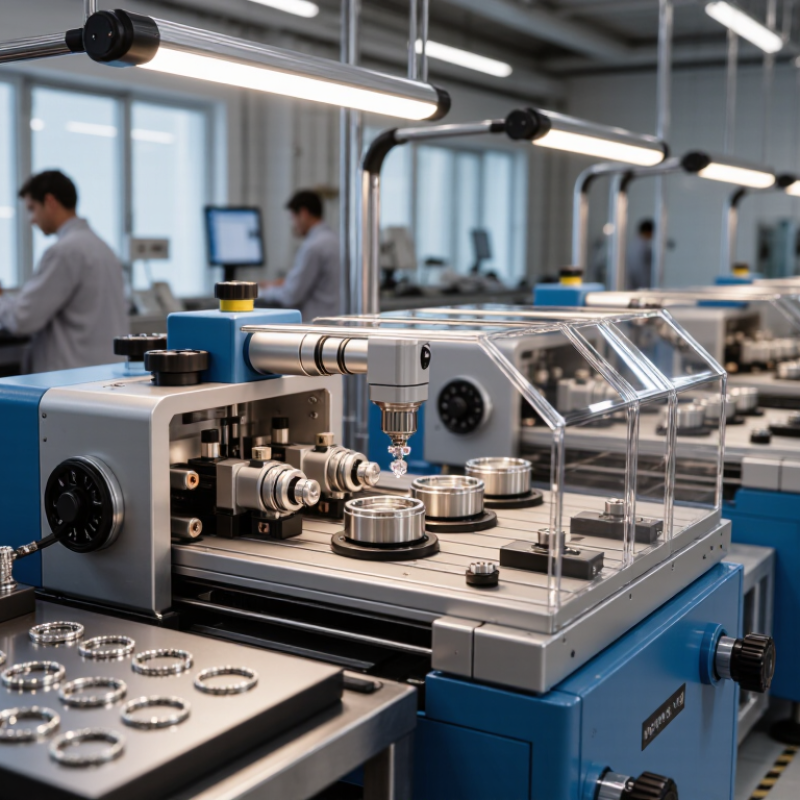
An automatic stone setting machine places gemstones into prepared seats with controlled speed and pressure. A typical cycle begins with a feeder separating stones by size, shape, or surface orientation. A camera then checks each stone before placement. Servo-driven tools guide the stone into a tiny cavity, while sensors monitor position and force. Some systems use vacuum nozzles. Others use mechanical grippers for heavier stones.
The process is less mysterious than it looks. Digital drawings define coordinates, spacing, and setting depth. Software converts those instructions into repeated machine movements. According to the International Federation of Robotics’ World Robotics 2024 report, 541,302 industrial robots were installed globally in 2023. This wider automation trend explains why jewelry manufacturers are testing more programmable equipment.
However, stone setting remains difficult. Uneven girdles, dust, reflective surfaces, and slightly damaged stones can confuse vision systems. Small errors matter.
Real production experience shows that calibration often takes longer than expected. Operators may adjust lighting, nozzle height, vibration speed, and force limits several times per shift. ISO 12100 principles also stress risk assessment during machine design and operation.
Automation improves consistency, but it does not remove judgment. A machine can repeat a poor setup perfectly. That is the uncomfortable part. Skilled inspection, sample testing, and regular tool maintenance still protect quality.

Automatic stone setting machines vary by setting method, stone size, and production volume.
Vision-guided CNC machines suit pavé work, where many small stones follow a precise surface pattern. They scan each position, control tool movement, and reduce spacing errors on rings, bracelets, and decorative components.
Rotary setting machines work well for repeated channel or row settings. Their stable motion supports consistent pressure across larger batches.
Pneumatic machines are practical for prong setting and medium-sized stones. They deliver controlled force through interchangeable tools, making them useful for varied jewelry designs. Some models combine feeding systems with camera inspection. This helps operators detect missing stones, tilted settings, or uneven edges during production. Small errors matter.
Laser-assisted systems support delicate work and difficult layouts. They can help secure stones near thin walls or complex curves with limited mechanical contact.
However, higher automation does not remove the need for skilled setup. Stone hardness, seat depth, tool wear, and metal thickness still affect results. A machine may perform perfectly on one alloy and struggle on another.
Global buyers should request sample testing before purchase. Ask for repeatability data, compatible stone dimensions, maintenance instructions, and operator training details. Test the machine with real production materials, not only polished demonstrations. In practice, setup time is often underestimated. That deserves a closer review. Calibration records, safety guarding, spare tooling, and service response also influence long-term reliability.
When comparing automatic stone setting machines, start with repeatability, not advertised speed. A machine may claim 1,200 placements per hour, yet frequent stops can reduce real output. Request trial data using stones and metal parts similar to your production materials. Check placement accuracy across different sizes, shapes, and surface finishes. Small details matter. A misplaced stone can increase rework and inspection time.
Examine the feeding system closely. It should handle variations in stone diameter without constant manual adjustment. Vision systems can detect orientation, gaps, and missing stones, but lighting quality affects their performance. Ask how the machine records errors and whether operators can review images later. Tool changeover is equally important. A practical machine should allow quick fixture replacement, clear parameter settings, and repeatable calibration.
Durability depends on more than the frame. Inspect the setting head, vibration controls, sensors, and accessible maintenance points. Measure noise, air consumption, power use, and cycle stability during an extended test. Safety guarding and emergency controls should be clear and suitable for the intended workplace. One weakness deserves attention: laboratory demonstrations often use perfect samples. Real production includes dust, mixed batches, and occasional irregular stones. Compare documented results with your own test pieces, and leave room for operator learning, maintenance delays, and process changes.
Top Automatic Stone Setting Machines for Global Buyers
How to Evaluate Suppliers, Quality, and Global Compliance
Selecting an automatic stone setting machine requires more than comparing speed and purchase price. In supplier audits, I examine production records, operator training, spare-part access, and response times. A capable supplier explains tolerances clearly and shows recent inspection evidence. Ask for sample settings on your actual stones, not only polished demonstrations. Small differences in hardness, shape, and surface finish can change machine performance. No audit is perfect.
Quality should be measured through repeatability, setting security, surface protection, and maintenance requirements. Request test data, calibration procedures, electrical specifications, and a written acceptance standard. For global purchasing, verify documentation for the destination market before signing. This may include electrical safety files, electromagnetic compatibility records, language requirements, and shipping documents. Do not treat a certificate as proof of total compliance. Standards differ, and local authorities may interpret them differently. Independent inspection can reveal wiring issues, unstable software, or missing safeguards. I have learned that a low price can hide costly downtime. Still, inspection budgets are limited, so every check needs a reason.
Tips: Compare at least three suppliers. Record cycle time under identical conditions. Confirm warranty limits in writing. Keep videos of factory tests. Ask a qualified local professional to review final compliance documents.
| Machine Type | Suitable Stone or Jewelry Format | Typical Automation Level | Typical Output Range | Key Quality Controls | Recommended Supplier Evidence | Global Compliance Checks | Buyer Evaluation Priority |
|---|---|---|---|---|---|---|---|
| Rotary Pavé Setting Machine | Small round stones placed in pavé channels on rings, earrings, and small components | Automatic feeding, vision-assisted positioning, pneumatic or servo-driven setting | Approximately 200–800 stones per hour, depending on stone size, layout, and workpiece geometry | Stone presence detection, force monitoring, tool-height control, repeatable indexing, reject tracking | Sample production records, repeatability test, tooling drawings, maintenance schedule, spare-parts list | Risk assessment, electrical schematic, emergency-stop validation, guarding verification, applicable machinery and EMC requirements | Prioritize setting consistency, low stone breakage, changeover time, and local service capability |
| Channel Setting Machine | Linear rows of stones in channels, bands, bracelets, and standardized metal components | Programmable axis movement with automatic stone feeding and position control | Approximately 100–500 stones per hour, influenced by row length and workpiece handling | Centerline alignment, consistent seating depth, channel-width verification, tool-wear monitoring | Dimensional inspection results, tolerance chart, trial samples, software backup, operator training plan | Electrical safety documentation, software and access-control records, guarding, noise and vibration assessment | Prioritize dimensional accuracy, recipe storage, tooling availability, and stable performance across batches |
| Bezel Setting Machine | Single stones or calibrated stones held by a surrounding metal bezel | Semi-automatic to automatic placement, pressing, and edge-forming operations | Approximately 60–250 pieces per hour, depending on bezel geometry and finishing requirements | Uniform edge pressure, stone centering, surface-protection checks, dimensional inspection | Force-displacement data, first-article approval process, fixture drawings, defect classification system | Machine guarding, pressure-system documentation, electrical conformity records, operator safety instructions | Prioritize surface protection, controlled forming force, fixture repeatability, and ease of adjustment |
| Micro-Prong Setting Machine | Small stones held by multiple prongs in rings, pendants, and precision components | Servo-controlled positioning with automated or assisted prong forming | Approximately 40–200 stones per hour, depending on prong count and product complexity | Prong-height consistency, controlled forming force, stone-seat verification, optical inspection | Precision capability study, calibration certificates, sample acceptance criteria, tooling-life data | Risk assessment, safety circuits, electrical test reports, laser documentation if a laser module is included | Prioritize precision, low damage rates, calibration traceability, and qualified technical support |
| Flexible Vision-Guided Setting Cell | Mixed product sizes, complex layouts, and frequent product changeovers | Integrated camera inspection, programmable motion, automatic part recognition, and recipe management | Approximately 80–400 stones per hour, depending on inspection time and product variation | Image-based alignment, barcode or recipe control, automatic rejection, process-data logging | Vision-system accuracy report, software version control, data-export demonstration, cybersecurity and backup procedure | EMC testing, electrical safety, network-security controls, user-access management, machinery risk assessment | Prioritize flexibility, changeover efficiency, traceability, software support, and integration with production systems |
| High-Volume Multi-Station System | Standardized rings, pendants, settings, and repeat-production jewelry components | Multiple synchronized stations with automated loading, setting, inspection, and unloading | Approximately 300–1,200 stones per hour, subject to station count and product design | In-line inspection, cycle-time monitoring, automatic fault detection, statistical process records | Factory acceptance test, production-capacity evidence, uptime records, preventive-maintenance plan, training records | Complete technical file, conformity assessment route, electrical documentation, guarding validation, import requirements | Prioritize total cost per accepted piece, uptime, service response, spare-parts continuity, and operator safety |
| Evaluation Dimension | What to Verify | Suggested Weight |
|---|---|---|
| Product Quality | Stone breakage rate, setting depth, alignment, repeatability, surface damage, and accepted-piece ratio | 25% |
| Productivity | Verified cycle time, changeover time, uptime assumptions, loading method, and labor requirement | 20% |
| Compliance and Safety | Risk assessment, technical file, electrical safety, EMC, guarding, emergency stops, and destination-market requirements | 20% |
| Service Capability | Remote diagnostics, response time, spare-parts availability, preventive maintenance, and training | 15% |
| Total Cost of Ownership | Purchase price, tooling, consumables, energy use, maintenance, software fees, downtime, and import costs | 15% |
| Documentation and Traceability | Serial-number records, calibration history, software revisions, inspection data, manuals, and acceptance-test reports | 5% |
Buying an automatic stone setting machine requires more than comparing the purchase price. The World Gold Council reported total gold demand of 4,974 tonnes in 2024, showing strong pressure on jewelry production capacity. A suitable machine should match daily output, stone size, setting style, and operator skill. Ask for tested pieces, not only brochure numbers. A quoted capacity of 1,200 stones per hour may fall sharply with complex designs.
Cost also includes tooling, installation, training, energy, and rejected work. Deloitte’s 2024 Smart Manufacturing survey found that many manufacturers view digital production as a major competitiveness factor, but investment results depend on execution. Request a complete ownership estimate for three years. Cheap equipment can become expensive after one unavailable sensor.
Support deserves equal attention. Confirm remote diagnostics, spare-part lead times, software updates, and technician response hours. The International Organization for Standardization promotes documented maintenance and controlled processes through ISO 9001 principles. Keep records for nozzle changes, calibration, alignment, and production errors. Preventive maintenance is practical, but it is not magic. Dust, vibration, and inconsistent stones still cause failures. A short trial using your actual settings can reveal more than a polished factory demonstration.