Why Choose an Automatic Jewelry Making Machine for Your Business?
In the competitive jewelry industry, efficiency and precision are key. An Automatic Jewelry Making Machine can significantly enhance your production process. These machines offer a reliable solution for creating intricate designs consistently. Business owners who choose automation often see increased productivity.
With an Automatic Jewelry Making Machine, you can produce pieces that meet high-quality standards. This technology reduces the risk of human error in crafting designs. However, investing in such machinery requires careful consideration. Each machine comes with specific features that may or may not align with your business needs. It’s essential to assess your production goals and budget before making a decision.
The transition to automated jewelry making is a significant step. Proper training and adjustment periods may be necessary. Some may find it challenging to integrate new processes. Yet, businesses that embrace these changes often gain a competitive edge. Adopting an Automatic Jewelry Making Machine can redefine your craftsmanship while ensuring reliability in your output.
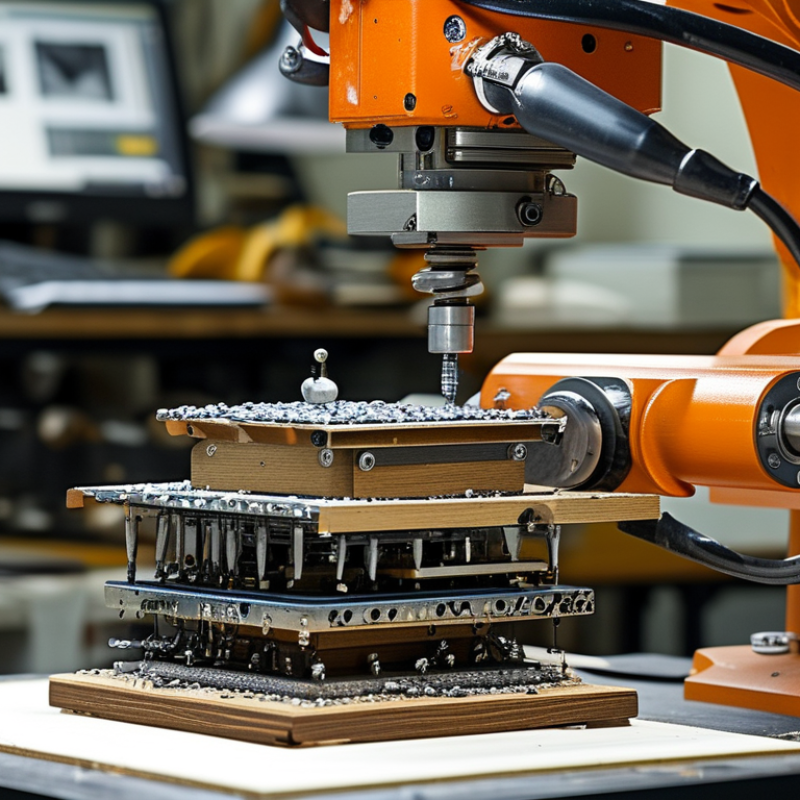
Advantages of Using Automatic Jewelry Making Machines in Production
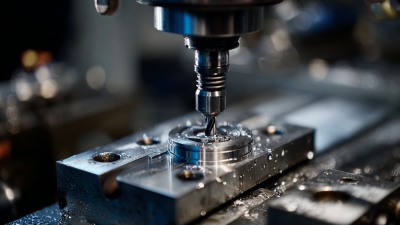
Automatic jewelry making machines offer numerous advantages for businesses in the jewelry sector. One key benefit is their ability to enhance production speed. Machines can consistently produce high-quality pieces in less time compared to manual labor. This efficiency allows businesses to meet growing demands with ease. Furthermore, automation minimizes human errors. A mistake in jewelry making can be costly, but machines can operate with precision that humans sometimes struggle to achieve.
Pay attention to the initial setup of the machine. A well-calibrated machine can significantly impact quality and efficiency. Regular maintenance is crucial as well. Neglecting machine care can lead to malfunctions and costly delays. It’s important to invest time in learning the machine’s functionality. Understanding the equipment can improve production processes over time.
Employees may find themselves needing to adapt to new technology. It's essential to provide comprehensive training. Resistance to change can slow down progress, so fostering a culture of adaptability matters. Observing the machine’s performance regularly can also reveal areas for improvement. This ongoing evaluation can lead to strategies that effectively optimize production.
Advantages of Using Automatic Jewelry Making Machines in Production
Key Features to Look for in Automatic Jewelry Making Machines
When considering an automatic jewelry making machine for your business, several key features can significantly enhance your production efficiency. Look for machines boasting precision automation. Reports indicate that automated processes can increase production speed by up to 50%, allowing businesses to meet growing demands more effectively. A machine with adjustable settings is crucial as it enables customization for various jewelry designs, from intricate pieces to simpler models.
Material versatility is another important feature. Machines that accommodate different materials like gold, silver, and gemstones enable jewelers to expand their product range. Industry analysis shows that companies using machines with this capability have seen a 30% increase in sales due to diversified offerings. Monitoring systems are vital too. They help identify maintenance needs before problems arise, which minimizes downtime.
Regularly reviewing the performance metrics of your automatic machine is beneficial. This reflection can guide adjustments in operational strategies. Staying informed about industry trends will help ensure your machines remain competitive. Consider joining workshops or webinars to enhance your technical skills and knowledge about different machine operations. Collaborating and sharing within your network may raise critical insights into machine improvements or emerging technologies.
Why Choose an Automatic Jewelry Making Machine for Your Business? - Key Features to Look for in Automatic Jewelry Making Machines
| Feature |
Description |
Benefits |
| Automated Precision |
Allows for consistent and precise designs with minimal human error. |
Increases quality and consistency, reducing waste and maximizing productivity. |
| Speed Efficiency |
Processes are much faster than manual methods. |
Allows businesses to meet higher demand and reduce lead times. |
| User-Friendly Interface |
Intuitive controls and programming for ease of use. |
Reduces training time and can be operated by less experienced staff. |
| Versatility |
Capable of creating various jewelry types and designs. |
Enhances product offerings and allows for customization. |
| Material Compatibility |
Works with a range of materials such as metals, plastics, and stones. |
Increases flexibility in sourcing materials and meeting demands. |
Cost-Effectiveness of Automatic vs. Manual Jewelry Making Processes
In the competitive world of jewelry making, cost-effectiveness is a major consideration. Automatic jewelry making machines can significantly reduce production costs compared to manual processes. By automating tasks such as cutting, polishing, and assembling, businesses can save on labor expenses. A machine may require an upfront investment, but the return on investment can be substantial over time. With lower labor costs, the reduction in human error also leads to fewer wasted materials.
Manual techniques can be highly rewarding, but they are often time-consuming. Skilled artisans may produce beautiful pieces, but the process can be inefficient. Think of the time lost in repetitive tasks. In contrast, automatic machines can run continuously, producing consistent quality with minimal oversight. This consistency enhances reliability, meeting customer demands promptly. However, relying solely on machines can raise concerns. The artistry and uniqueness that manual processes provide may fade.
Balancing automation with tradition becomes essential. Integrating both methods may offer the best of both worlds. It allows businesses to enjoy cost savings while preserving craftsmanship. Ultimately, the choice between automatic and manual methods should reflect the brand's core values and target market. Finding the right mix can be a challenge, but it's crucial for long-term success.
Impact of Automation on Jewelry Design Flexibility and Innovation
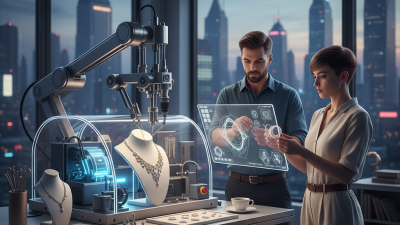
Automation is revolutionizing the jewelry design process. With an automatic jewelry making machine, creators gain unprecedented design flexibility. These machines allow artisans to replicate intricate patterns with precision. Designs that once took hours can now be realized in minutes. This efficiency opens doors for innovative ideas to flourish.
While automation enhances efficiency, it also presents challenges. Some artisans feel that relying too heavily on machines stifles creativity. There’s a tension between tradition and technology. Craftsmanship is often synonymous with personal touch and imperfections. Machines can produce flawless pieces, but do they capture the essence of human artistry? This reflection is essential for jewelers navigating the evolving landscape.
Embracing automation does not mean abandoning traditional skills. Many successful jewelers combine both methods. They use machines for repetitive tasks but infuse their personal artistry into unique pieces. This hybrid approach fosters innovation while maintaining craftsmanship integrity. The jewelry industry thrives on this balance of automation and artistic expression.
Case Studies: Success Stories of Businesses Using Automatic Machines
In the jewelry industry, automatic machines are revolutionizing production methods. A recent report by the Jewelers of America indicated that businesses using such technology saw a 30% increase in output. One success story comes from a small jewelry studio that adopted an automatic engraving machine. Their production efficiency doubled, allowing them to meet customer demands faster than ever.
Understanding the role of these machines can impact your business. A case study from a mid-sized manufacturer revealed that automated casting reduced labor costs by 25%. Despite the initial investment, the return on investment became clear within months. However, it is essential to recognize the learning curve associated with these machines. Some operators struggled initially but eventually streamlined their processes.
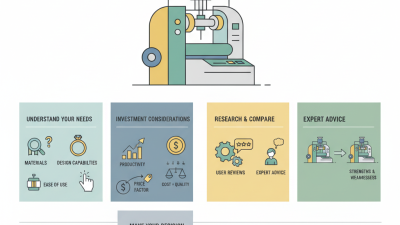
Investing in an automatic jewelry making machine requires careful consideration. Gather insights from peers and research extensively. Ensure you identify areas within your production that face challenges. By doing this, you can make an informed decision that aligns with your business goals. Embrace the potential of automation but remain aware of the need for ongoing training and process evaluation.



 Lily
Lily Jason wong